

Craving Intimacy as a Nomad
A Zouk Affair

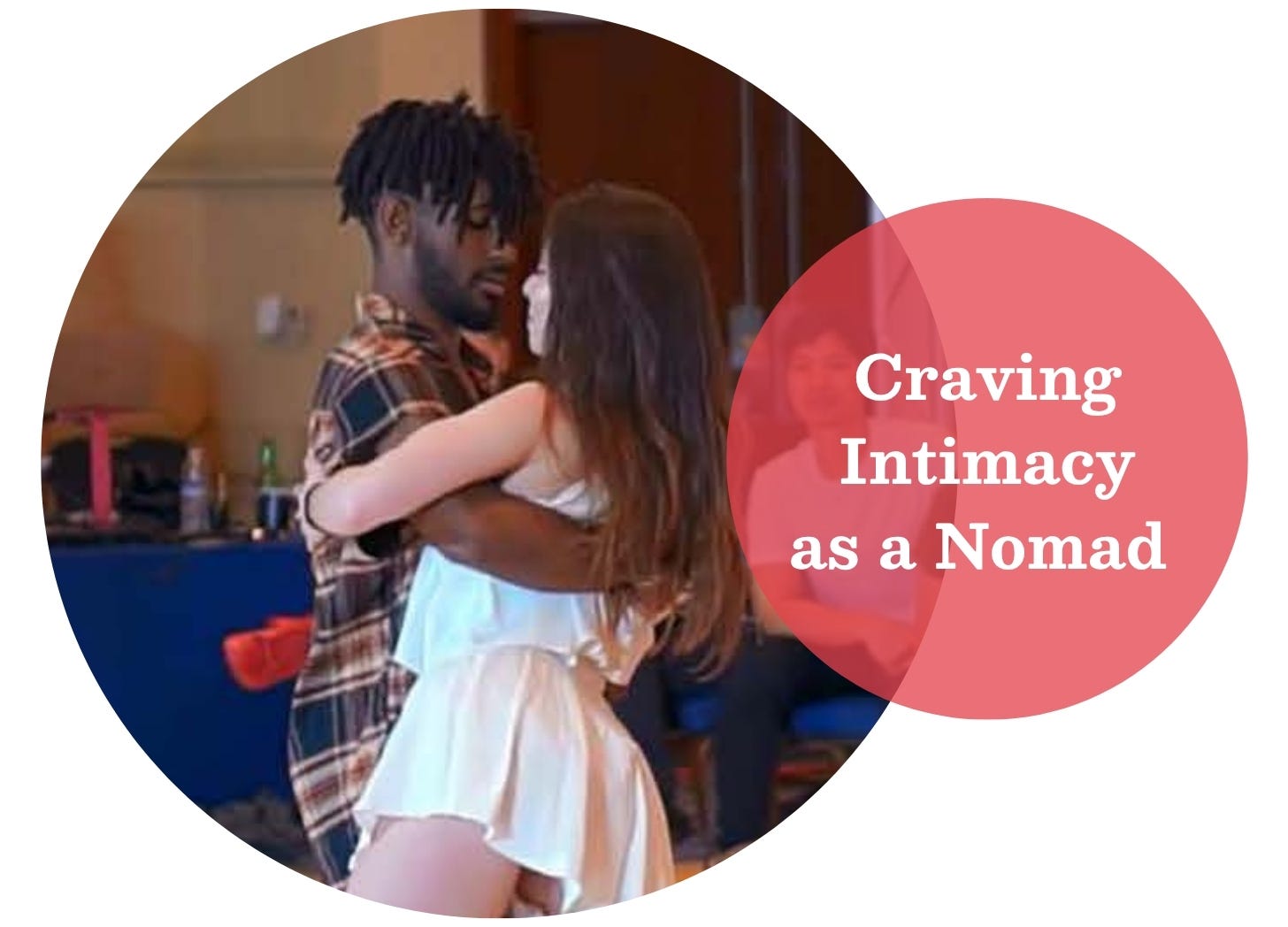
He told me, “We come because we crave intimacy.” I admit, I was a little surprised by the frankness and vulnerability of his statement.
We had just met, eating our breakfast at a communal table. The hotel we’re staying at is hosting a Zouk festival for the week, and he’s one of the festival participants. I had never heard of Zouk.
My new friends explained it as a more intricate form of the dance Bachata, which originated in the Dominican Republic. Zouk emerged as a distinct dance in the 1990s, in the French Antilles of Martinique and Guadeloupe, and incorporates other styles of music, like R’n’B, pop, and hip hop. Brazilian zouk is also a thing.
To give you some perspective, here’s some Zouk in action.
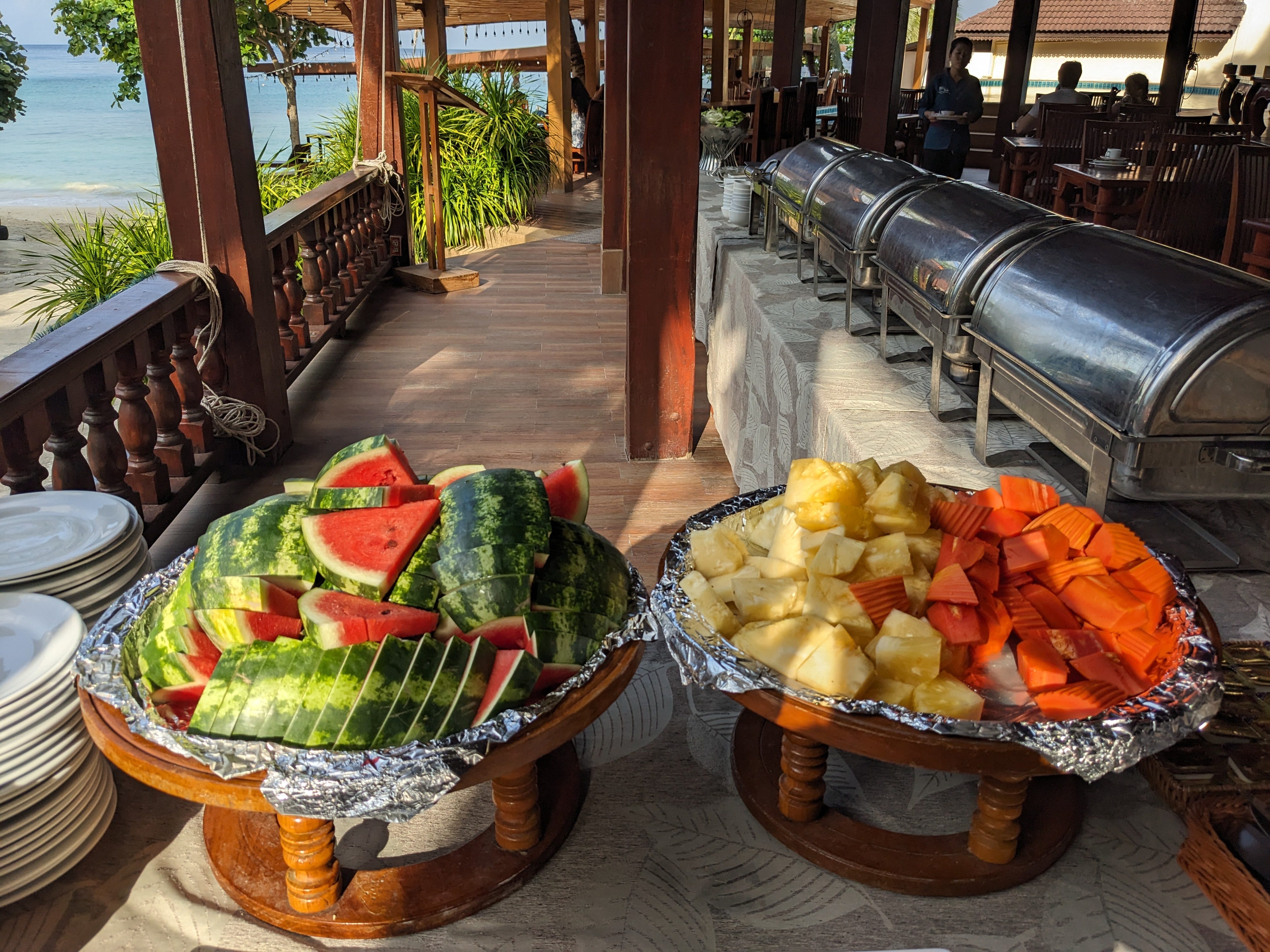
As we ate our scrambled eggs, I was politely asking some questions about the festival, not really investing too much in the conversation. But then I introduced myself as a writer, and he suggested I write a piece about Zouk. Consequently, I was pressed into acting like a writer and appearing interested in the world around me (when really I was only wondering if they had replenished the papaya).
I like to dance, so the topic of Zouk mildly interested me, but his comment on intimacy I found fascinating.
My original question had been: What drew you to learn Zouk?
Mind you, he had already explained that he works about 6 months out of the year in his home country of Australia, and once he earns enough, he travels to the next Zouk festival.
So, he is a bona fide fan, fashioning his life around pursuing the dance Zouk around the world. He told me he had traveled to festivals all over, including the Big Island of Hawaii, Bali, Rio, and now, here, in Koh Phangan, Thailand.
Back to the question at hand of what drew him to this specific dance. Zouk, he explained, is all about intimacy. It’s considered a technical dance, like a tango, where the partners hold each other’s bodies very close.
A Dutch woman, who was also at our table, agreed with his description of the intimacy of the dance. Adding that “Glue glue” is the common refrain from instructors to their pupils to try and convey how close partners should be. Basically, your bodies should be stuck together.
Here’s a couple glued together as they Zouk.
Cue The Anxiety
I then asked the table about the most challenging component of the dance and my breakfast buddy replied, “the anxiety.” Again, his answer gave me pause.
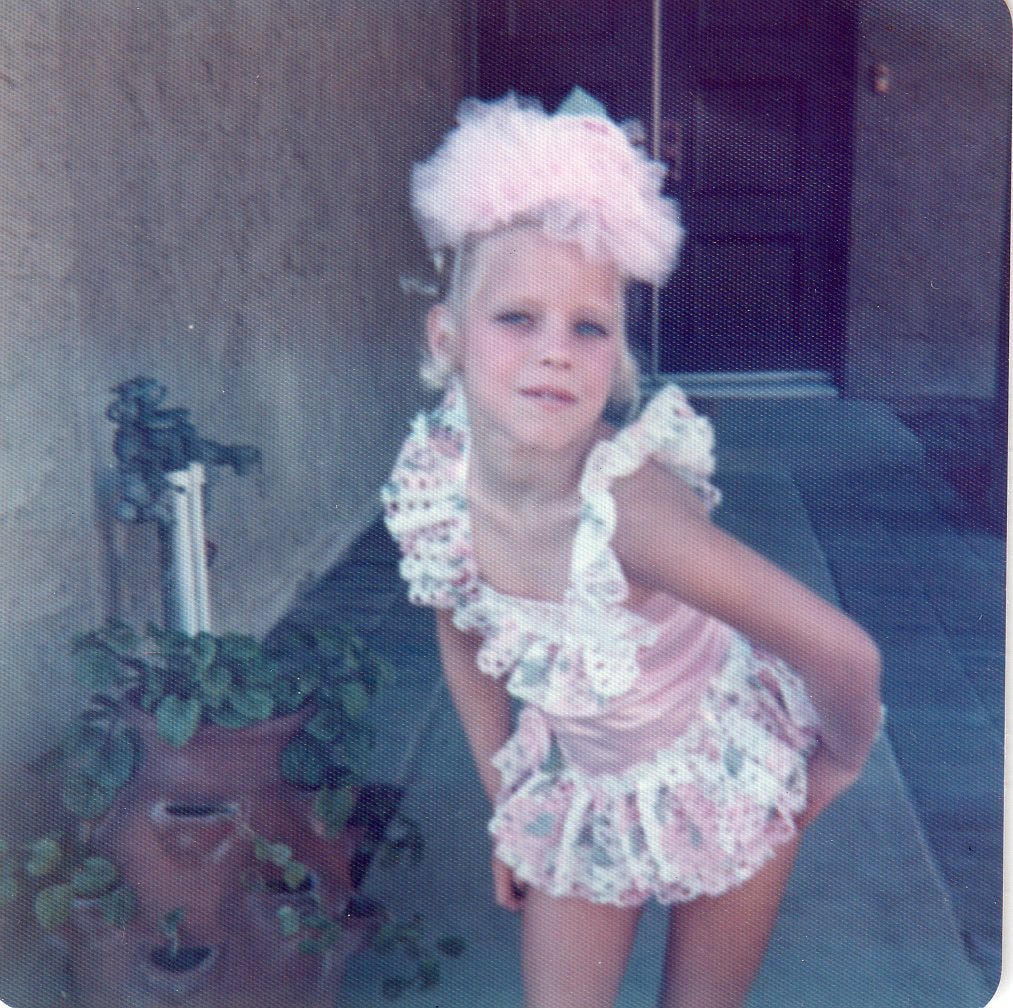
I grew up dancing from the age of 3 and love the freedom of moving my body to music. I never think of dancing as something to cause anxiety. To me it’s the opposite—it helps me release anxiety.
While I took ballet, jazz, and tap dancing classes, tap was always my favorite. I loved the spastic, rapid-fire nature of those tap shoes rhythmically slapping on the floor. (I’ve always been a girl with a lot of energy.)
As an aside, every year for my birthday in October I do something I’ve never done before. In the early years, it was sky diving, learning to scuba dive, rock climbing, and competing in a dressage competition.
As the years progressed, my “one thing” became a little tamer (actually, I didn’t become any tamer; I was running out of adventure sports to try). This past year, I decided to dance every day, moving my body for at least 3 songs. Like most annual resolutions, I’ve fallen off my goal, so this may be the universe giving me a not-so-subtle nudge to get moving again.
But I digress. Back to zouk-induced anxiety.
My breakfast buddy went on to explain that at the beginning, the Zouk lead has a lot of pressure to perform. And then, as you progress in the dance, the pressure switches to the Zouk follower.
Our Dutch pal politely asked for the salt, then added that as a follower no one likes to go to a festival and not be asked to dance. She said the nightmare is the proverbial high school dance with girls lining the wall of the gym waiting to be asked to the dance floor.
My new friends then told me that to combat dance anxiety, students enroll in private classes, which can offer them specific instruction on how to improve.
The whole Zouk world was starting to sound a lot less fun and a lot more heavy, maybe even a substitute for therapy if you ask me. But who am I really? Except for a girl waiting for more fresh fruit to be cut.
Breakfast buffets aside, the conversation stuck with me. And I began to realize it was this very honest question of intimacy that I kept chewing on.
One of the drawbacks of the nomad life is not having a ready community, and with that, a dating pool. This is why there are so many hook-ups at nomad festivals (seriously, a huge reason why people go), and the festival’s speed dating night is one of the most popular events.

In fact, I met my last boyfriend at a festival, we dated for 10 days, then I was off to Albania (as one does). He then had a choice to follow me or return home. He followed a few weeks later, and we ended up traveling together for a few years.
But nomads are like that. And since festivals are usually only 1-2 weeks, fortune favors the brave.
Interested in going to Bansko Nomadfest (June 20-30, 2026)? It is the largest nomad festival in the world with more than 800 nomads attending. Be sure and use my code NOMADLIFE for a €25 discount – I’ll be there!)
Back to the question at hand: How do you find intimate relationships while traveling around the world?
In addition to festival hook-ups, Nomad Soulmates is a community dedicated to helping full-time travelers find meaningful connections. There’s also good ‘ole Tinder. Many of my friends update their location to their latest country and go out on dates with local folks (and sometimes other nomads).
I had a good friend who met her current partner while on a Tinder date in Armenia. I’ve had other friends go on Tinder dates in cities like Tbilisi and Accra. And I know one of our fellow Nomad Train passengers updated his profile with every stop along the Silk Route.
I commend each of these friends for putting themselves out there and being willing to go on (endure?) dates to find intimacy on the road. Especially because I look at intimacy as a vital component of good health, much like mental health and emotional health, with connection, touch, and sex important factors for an overall healthy mind and body.
I also applaud my breakfast buddy for his candor, willingness to travel the world, and learn a complicated dance, all as a means to sate his desire for intimacy. I can think of a lot more unsavory reasons to embark on world travel than the honest and earnest pursuit of finding connections that stick like “glue.”
Interested in reading more about how nomads form connections? Here’re a few nomad profiles for you:
Dating as a Nomad - Meet Lauren
Finding Friends as a Nomad - Meet Astrid
Nurturing Community as a Nomad - Meet Deana & Jeff
If you like this post, please leave a comment or share it with others. This will help more readers find my work. ❤️
Christened “Wander Woman” by National Geographic, Erin Michelson has traveled to 135 countries & all 7 continents. She is a professional speaker and author of the Nomad Life™ series of curated trips and travel guides, including the #1-ranked Explore the World with Nomads.
Curious to learn more about nomad life? Get the guide “Explore the World with Nomads: 50 Practical Tips, Interviews & Insights.”
Zouk looks a lot like bachata sensual. I wouldn't dance if it gave me anxiety. I find dancing liberating. I wouldn't seek intimacy through it either - socialising yes, although I love dancing on my own too.
When I first got into salsa in England many moons ago, people were so obsessed with getting things right, they were too mechanical and utterly obnoxious as partners. Perhaps that's what gives one anxiety - the desire to get everything right, but... dance is a form of self-expression and an art form. One simply has to do it their own way, instead of seeking perfection.
I started dancing salsa again last year, and learning bachata. It was a lot of fun getting it all perfectly wrong.
I love how honest that guy was! I’ve tried Zouk when I did Latin dance back in the days, it is indeed quite difficult and you have to be comfortable with 0 space between your body and your partner’s. I’ve always found it kind of liberating how Latin dances normalize this kind of intimacy and close body contact for the purpose of creating beautiful movement together. But now that I have a boyfriend, I wonder if I would still feel comfortable dancing Zouk with anyone other than him tbh. It is a lot. 😂 I think you should try it once Erin!