

CoBoat Sailing (Mis)Adventure
Part 2: Rotten Inside & Out

CoBoat Sailing (Mis)Adventure is a 4-part series. Read Part 1: Maldives to Thailand
There were a few days, when we first set sail, when we had two working engines. But apparently, the Captain stripped one when he tried to put the cat in reverse under full throttle (or something to that effect). Consequently, we spent the majority of the trip with only one engine.
We had a GPS via an iPad and computer, but the only working phone was Heinz’s. We used to call his girlfriend in Germany so she could help track our voyage.
To charge the phone, we used my backpack solar panel. On the 17-day voyage, we lost sight of land for a total of 13 days. So, a little unnerving that this was our paltry communications setup.
Nothing to See Here
Day 5: It was our second day of sailing when I learned a new word: “Scheiße” – German for you know what. Harry exclaimed it when he opened the hatch and saw that one of the hulls had taken on more than a meter (3+ feet) of water.
I was told this was no big deal. I’m no sailor, but this seemed like a big deal to me. At this point, we were well away from land, and the water was there for the remainder of the sail.
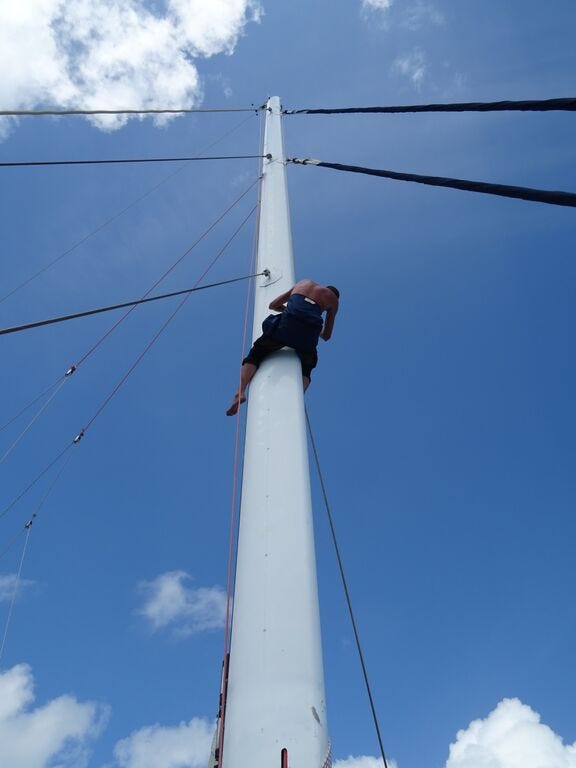
Harry and I, at this point, were becoming good friends because we sat night watch together. Frankly, I was relieved to be partnered with Harry, who was basically keeping us all afloat at this point.
I admit, we had a pretty good time, passing the time singing Country & Western songs. I later found out that the others called this the dreaded “Har-rin” shift, since our enthusiastic singing woke everyone up in the middle of the night. Oops.
Rotting Away
Day 6: This is also the day that we (Matthias and I, who were permanently grounded to the galley for matters truly beyond our control and capabilities) made a bastardized version of Haluski, Slovakia’s national dish.
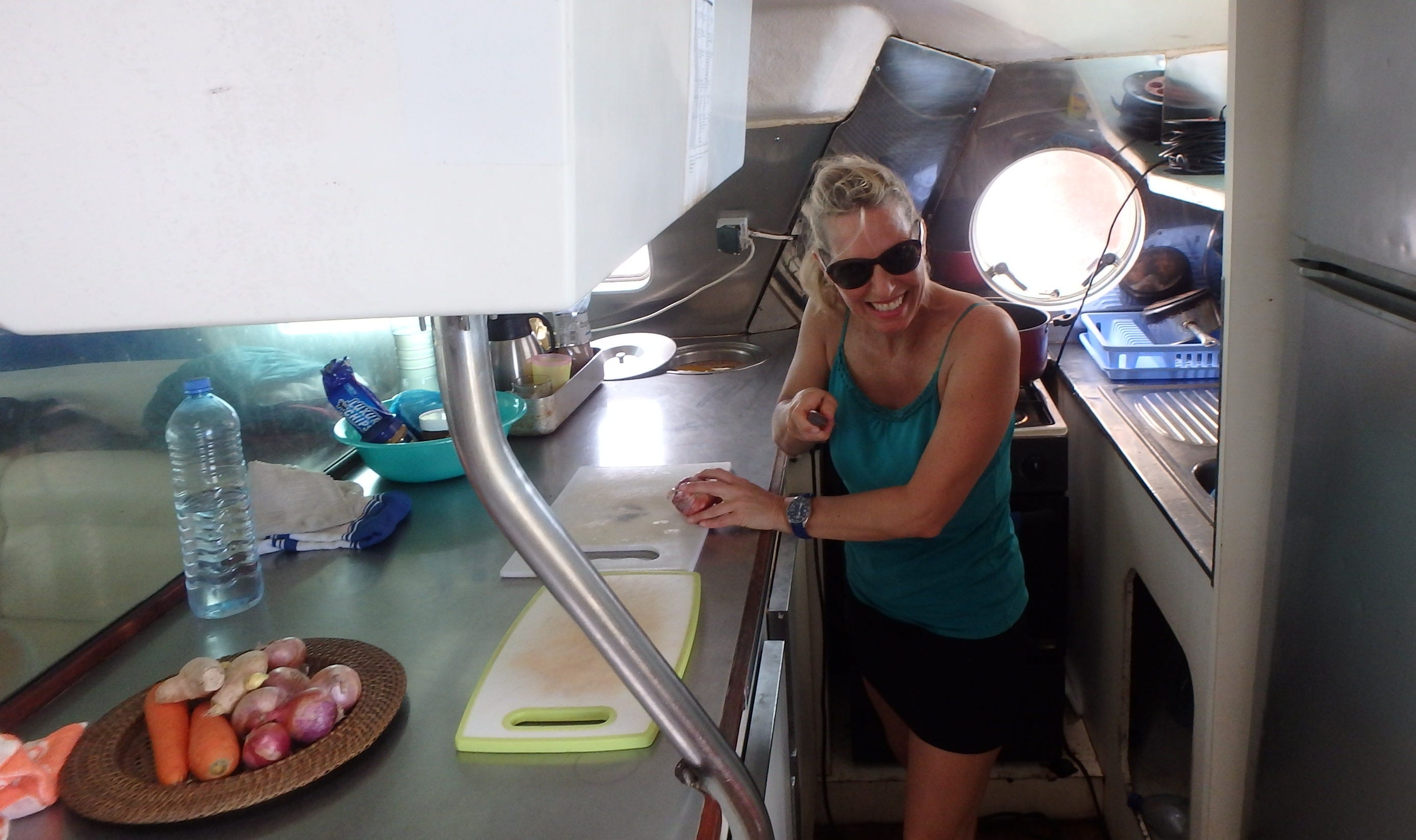
Of Slovak descent, this was a family recipe of mine. After an intense discussion and despite my vehement opposition, Matthias added eggs, cheese, and chilies. Admittedly, he made the dish taste better.
We had to make this Eastern European noodle dish because we needed to eat the cabbage, which was spoiling. Lunch and dinner became an exercise in what to do with soon-to-be-rotten food. Think of it as the Open Water version of Chopped.
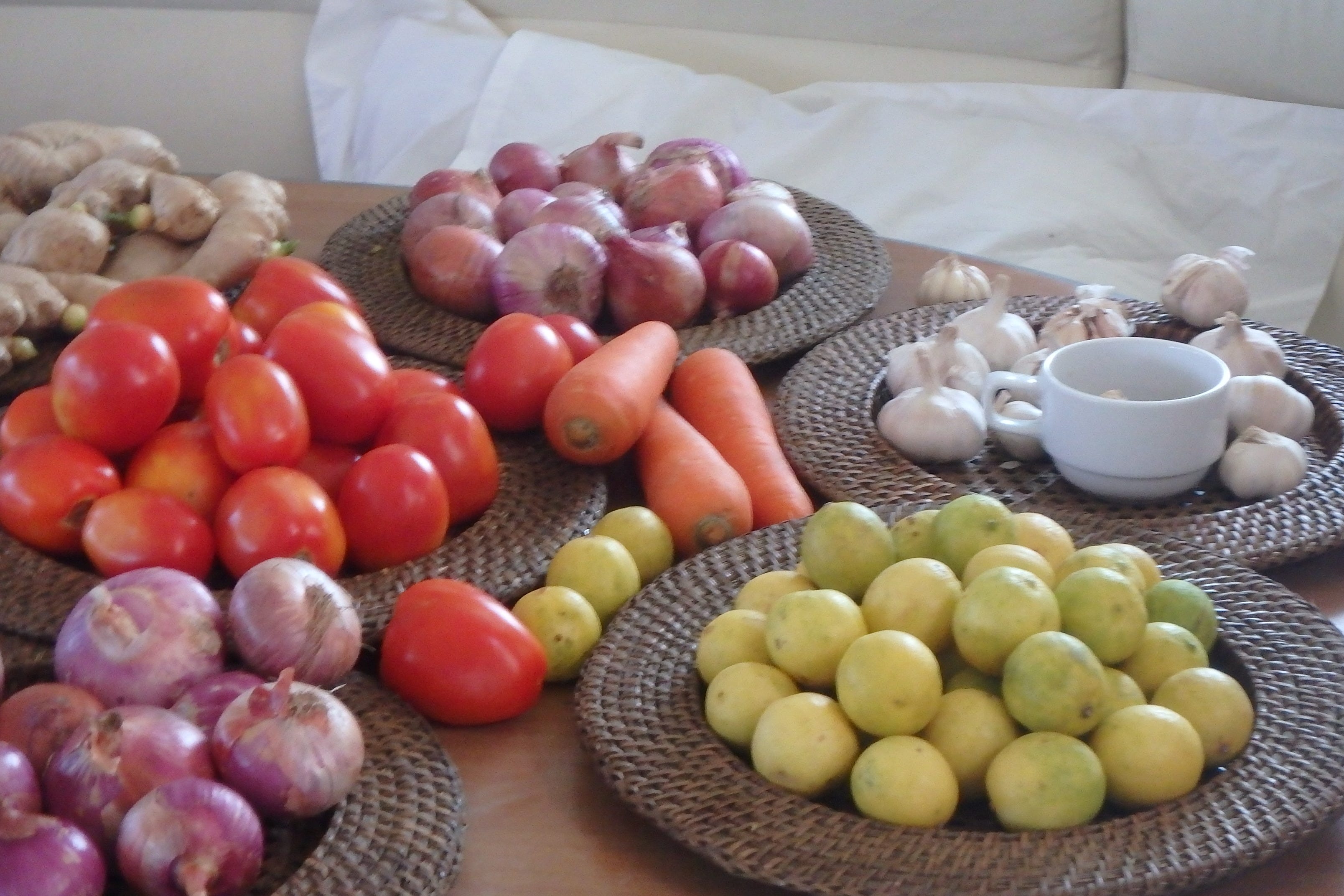
Sadly, my culinary skills are no better than my sailing skills, so I fell even further down the pecking order to sous chef and dishwasher. I didn’t really mind. At this point, it was obvious who was valuable and who was just along for the ride.
Our food was spoiling because the freezer kept shutting off, and the refrigerator was dodgy. All the meat and fish that we bought went bad. It was tossed overboard to feed the sharks.
As the only vegetarian aboard, this didn’t really affect me much. The entire crew joined me in getting most of our protein from eggs, lentils, and peanut butter.
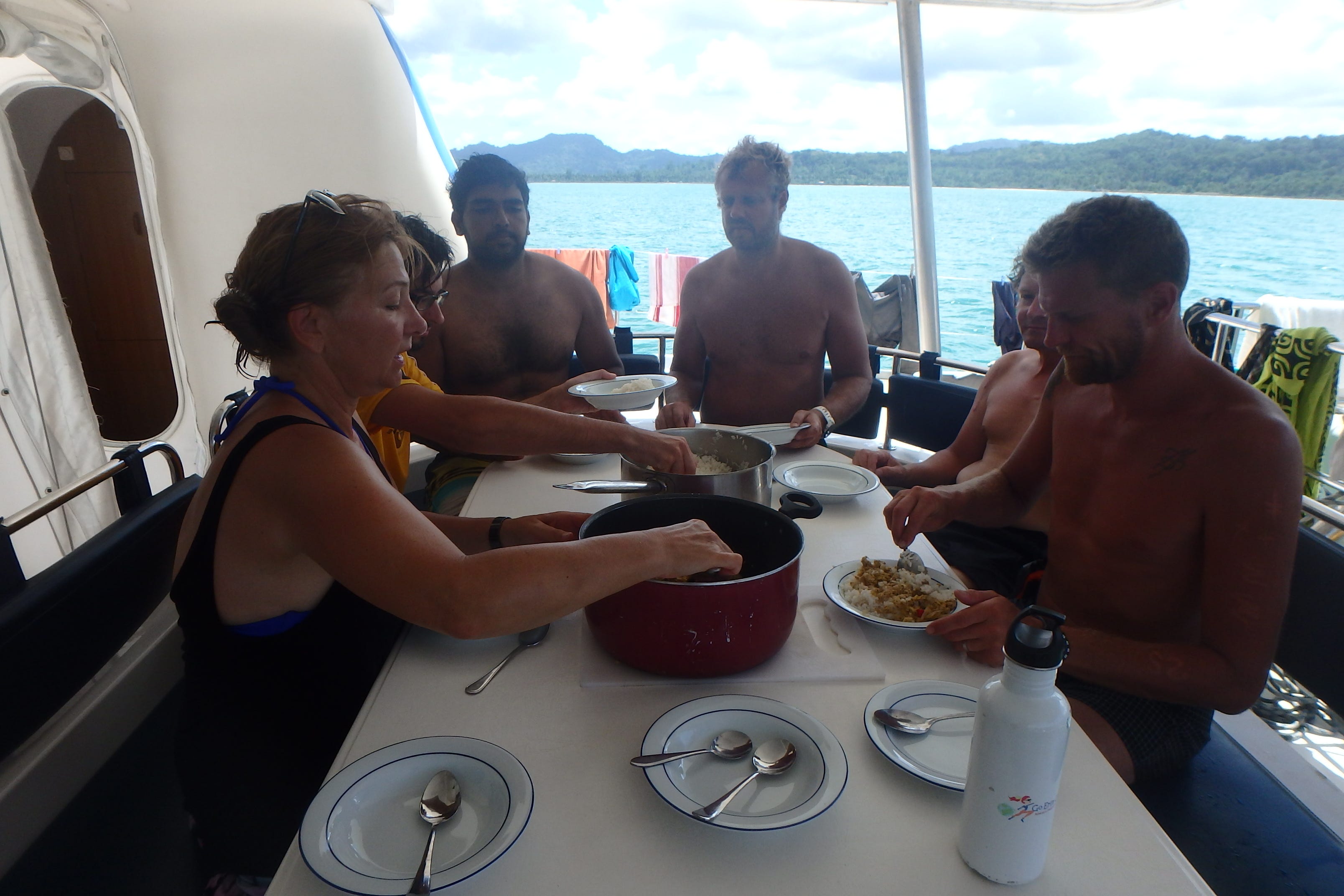
Day 7: We were now sailing close to the Sri Lankan coast. It was also the day we made the fateful decision not to stop by the island to buy more fuel. More on this later.
It was around this time that I also learned that we didn’t have an autopilot to navigate. Because I didn’t know about autopilot, I didn’t miss it and assumed everyone navigated at night by the stars and moon. Or, in inclement weather, by the lights of passing cargo ships.
Back in the galley, we made bread pudding with 20 loaves of *slightly* moldy bread. Tess, who was taking on more of the kitchen duties from hapless Matthias and me, added some chopped dates and sprinkled cinnamon on top to cover it all up. It was a crowd favorite.
Day 8: This was a rough night at sea, with 40-knot winds and 25-foot waves. The cat usually sailed at between 4 and 7 knots, but this time we hit a speedy 16 knots (18+ mph) under Vin’s steering. Reminder: Vin was one of the non-sailors. He was visibly shaken after that night.
Some video of rough seas. This was later in the voyage, and not nearly the worst of it, but you get the idea.
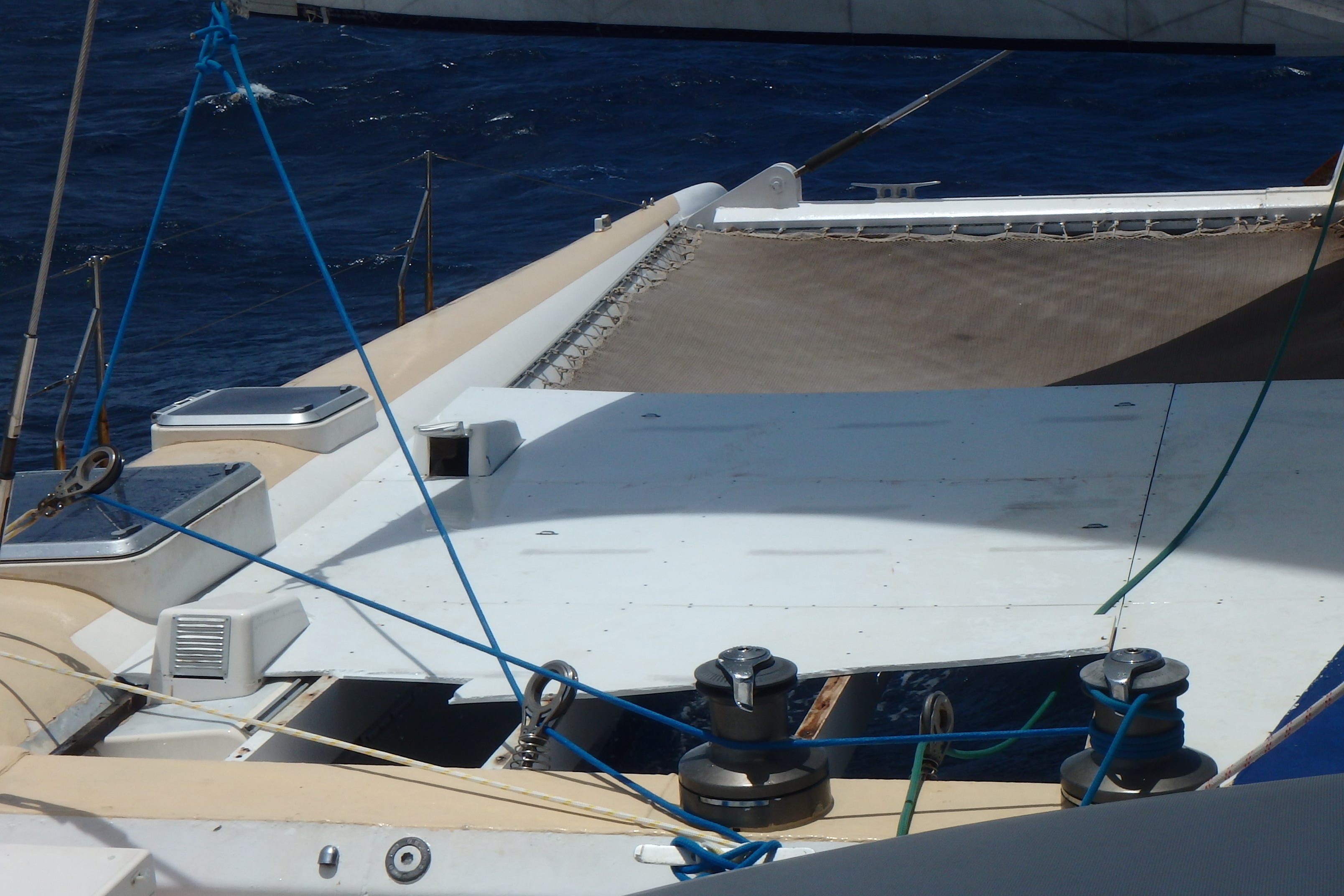
During the high winds, we lost a life preserver, a section of sunshade, and part of the bow. To be fair, this front decking was just a temporary fix to cover a portion of the ship left open when unsafe netting was taken down before we left. So it wasn’t, you know, super secure to begin with. In fact, we were told early on not to hang out in the port-side netting.
Our trip was starting to resemble an episode of Deadliest Catch, which was my favorite show—when I watched it from the comfort of my couch.
Day 9: Another piece of important equipment bites the dust! Today was the day the generator broke, and it was a BIG DEAL. We had already lost one engine, and we needed the generator to power the second remaining engine.
Without it, we would only have wind power, and the promised sailing-friendly forecast wasn’t panning out, which is why we were so dependent on continuously running the engine and fast depleting our fuel supply.
Also, without a generator, we couldn’t use any of the electrical instruments on board, including the ship’s lights, the water filter, the water pump (important because of that constant influx of water in the one hull), and the INS system.
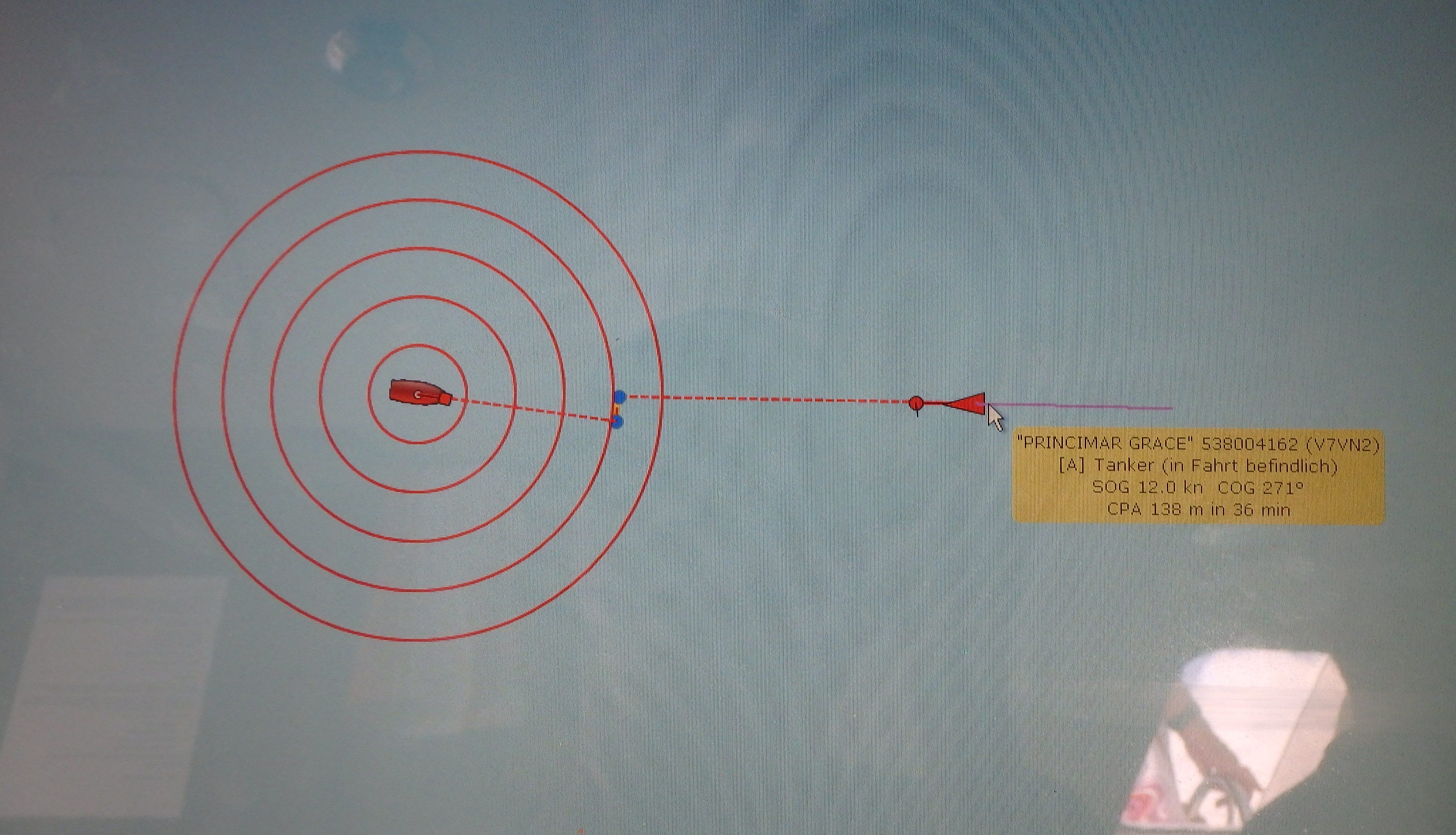
INS stands for Internal Navigation System, a thingamabob that comprises a computer, motion sensors, and rotation sensors to continuously calculate a ship’s position, orientation, direction, and speed of movement.
It shows the location of ships in relation to one another and helps avoid collisions at sea. Think air-traffic control. An important gadget.
Everyone was problem-solving on the spot. Our backup plan was to use the iPad powered with spare batteries from our personal computers and my solar-charged battery. This would provide 9 hours of backup electricity to get us through the night.
Luckily, after hours and hours of sweaty hammering (and quite a few more “Scheiße”), Harry got the generator to work – just as the sun was setting. Whew!
Feast or Famine
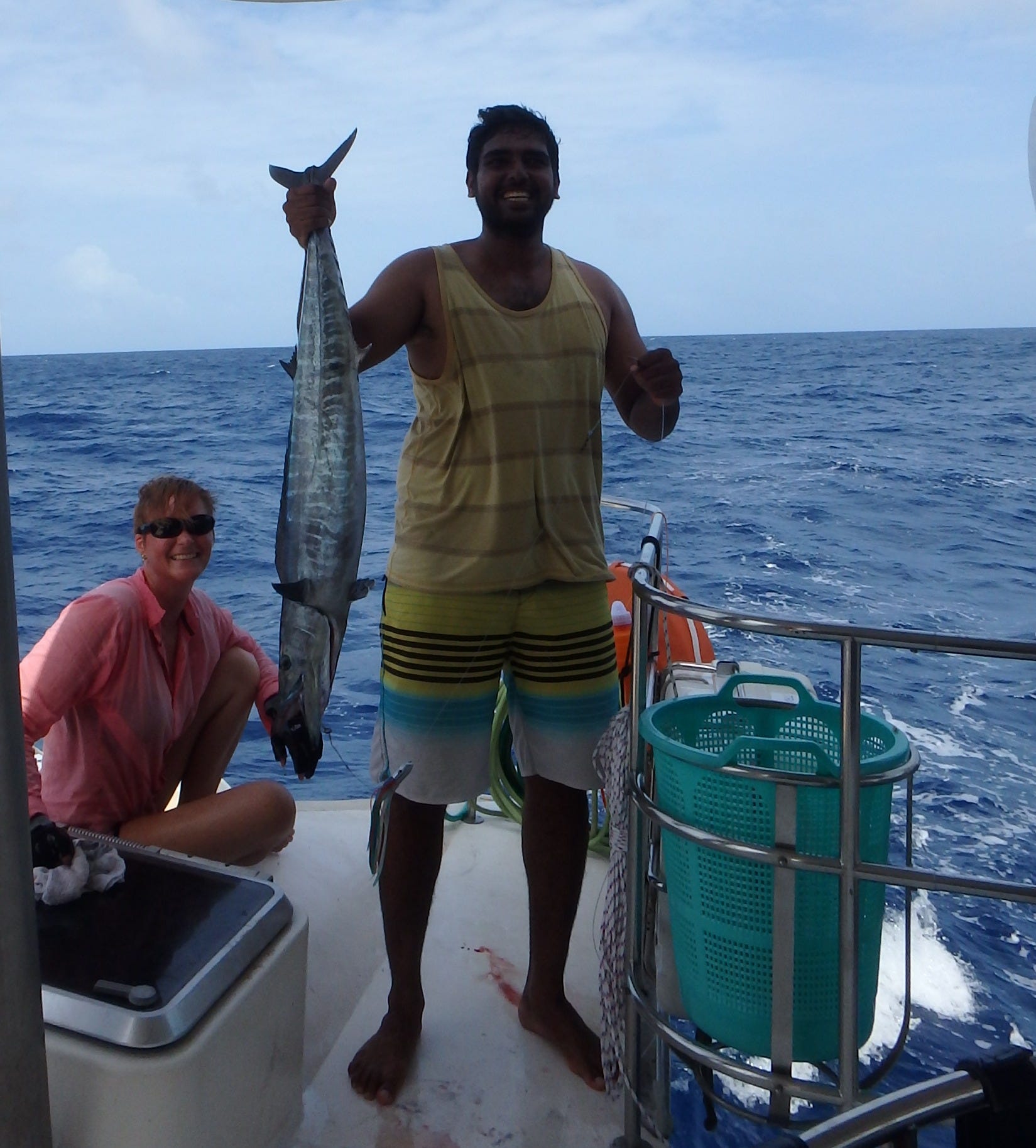
Day 10: We thought we’d be catching lots of fish along the way, but our bad luck continued, and the lines remained empty. So when we finally caught a fish, it was a big deal. The multi-talented Tess landed it, cleaned it, and cooked it up. I heard it was pretty tasty.
Not so tasty were the mushrooms found growing under the cabin seats. It was the subject of much eye-rolling from the more experiences sailors, as fungal growth indicated a level of neglect not often seen onboard. I admit, it was kinda gross.
Up until now, it had all been fun & games. Unfortunately, things were soon to become a matter of life and death.
CoBoat Sailing (Mis) Adventure is a 4-part series. Read Part 1: Maldives to Thailand
🌍 Read More Adventures of a Nomad
If you like this post, please leave a comment or share it with others. This will help more readers find my work. ❤️
Christened “Wander Woman” by National Geographic, Erin Michelson has traveled to 135 countries & all 7 continents. She is a professional speaker and author of the Nomad Life™ series of curated trips and travel guides, including the #1-ranked Explore the World with Nomads.
Want to read more about my adventures? Get the book “Adventures of a Nomad: 30 Inspirational Stories.”
OMG - this is getting worse and worse Erin. I need to get you out on Duende so you can learn what its like to sail on a well maintained yacht with a competent crew and captain.
Yeah, this reminds me of my maiden Global Hitchhiking voyage from Virginia to Aruba. My captain bought a 65-foot boat for 20K, and his only plan was to get the boat to Aruba and turn it into an AirBNB. He wasn't willing to invest in all the safety gear and improvements needed for a truly safe boat to sail. No autosteering, no emergency tiller, failed generator, rusted chainplate bolts. Most of the problems we discovered on our trip down the ICW, but we didn't realize the chainplate bolts were rusted until we were halfway across the gulf stream to the Bahamas and the bolt snapped. We were lucky we didn't lose our mast. We hobbled back to Florida to make repairs before heading out again.
I thought you said this boat was supposed to be all electric and there were no fossil fuels on board. Looks like that story changed too.