

The Doctor Is In, Mosquito Coast, Honduras
An Adventure A Week

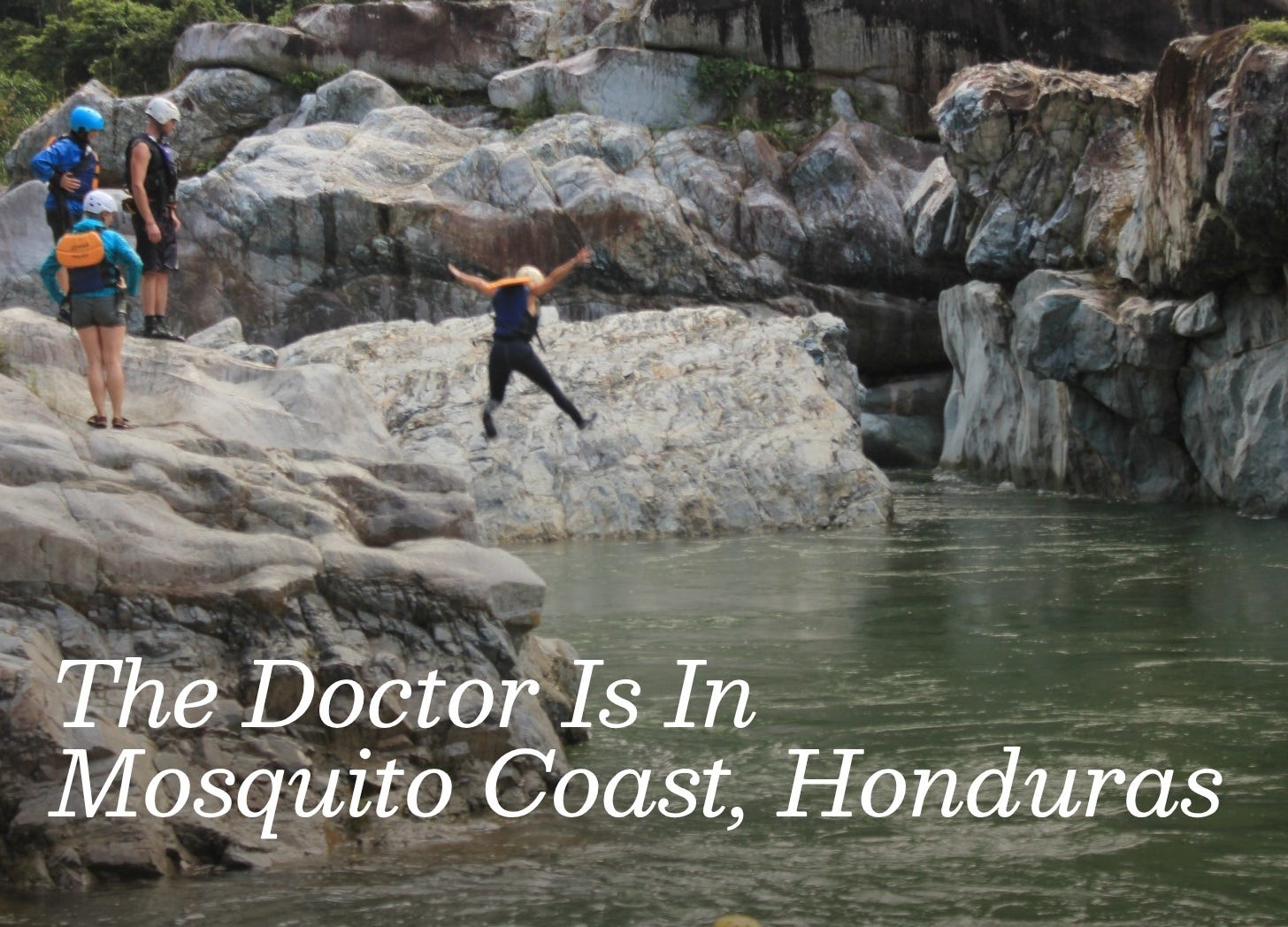
Dr. Harry Castillo Luther specializes in intercultural medicine, a phrase he coined. I was introduced to Dr. Luther and his work through The Birthing Project USA, a former pro bono consulting client of mine that provides pre- and post-natal care to African American women.
I was in Honduras (scuba-diving in Roatan) when I decided to visit the seaside town of La Ceiba on the Mosquito Coast to meet Dr. Luther in person. Dr. Luther kindly picked me up after a rocky ferry ride, known locally as the “Vomit Comet,” and treated me to a breakfast of fried plantains, queso fresco, and refried beans at his home.
Survival & Rebellion
It was while dining al fresco in his garden that he introduced me to his community: the Garifuna. The Garifuna, with an estimated population of about 600,000, currently live on the Caribbean coastline, spanning Belize, Guatemala, Honduras, and Nicaragua.
Originally, West Africans were abducted and brought to the Caribbean islands of St. Vincent, the Grenadines, and Dominica during the Trans-Atlantic slave trade. Once on the islands, the West Africans intermarried with the Carib, the indigenous people of the Caribbean, as well as the Arawak, the indigenous people of the Americas, creating the unique Garifuna identity.
The Garifuna landed on the mainland of present-day Central America when the plantation owners deported troublesome slaves from the islands. The slavers found it easier to relocate the rebels, instead of trying to subdue them.
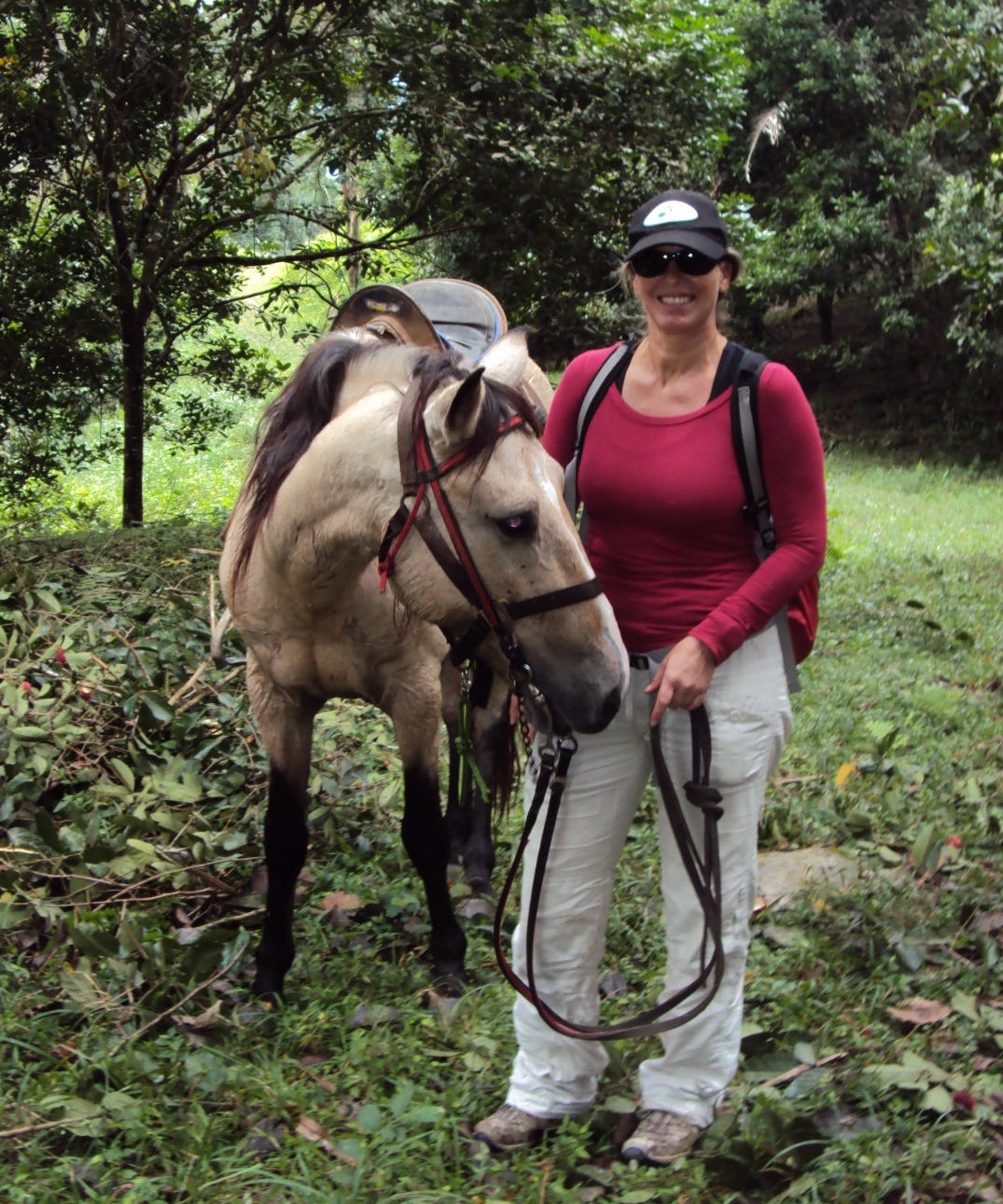
These ungovernable Garifuna were resettled on Central America’s eastern seaboard, including the stretch known as the infamous Mosquito Coast. Named after the Miskito Indians, the region is notorious for its impenetrable jungle and lack of roads and infrastructure.
A Test of Endurance
The Garifuna have endured, but not thrived, in this isolated territory. There aren’t enough schools in the area or enough trained teachers. Those who are educated usually finish third grade, while a smaller percentage obtain a sixth-grade education.
The Garifuna also suffer from widespread unsanitary conditions and poor physical health due to a lack of medical clinics, illness-prevention programs, and proper nutrition within the community.
The Amazing Dr. Luther
Against this sobering backdrop, Dr. Luther’s achievements are accentuated. He is the first person from the Garifuna community to earn a medical degree from the Latin American School of Medicine in Cuba.
In addition, Dr. Luther earned two graduate degrees from Harvard University: Master of Public Health and Master of Public Administration. He is currently Honduras’ Secretary of Science, Technology, and Scientific Innovation.
Hope & Health for the Garifuna
Dr. Luther is not only a trained medical professional and statesman, but also a social activist. Understanding the profound healthcare needs of his Garifuna community, he took action.
In 2007, Dr. Luther opened the First Garifuna Hospital, the only hospital in Honduras to offer free consultations and medicine. To date, his hospital has treated more than 12,000 patients—and he’s seeing results.
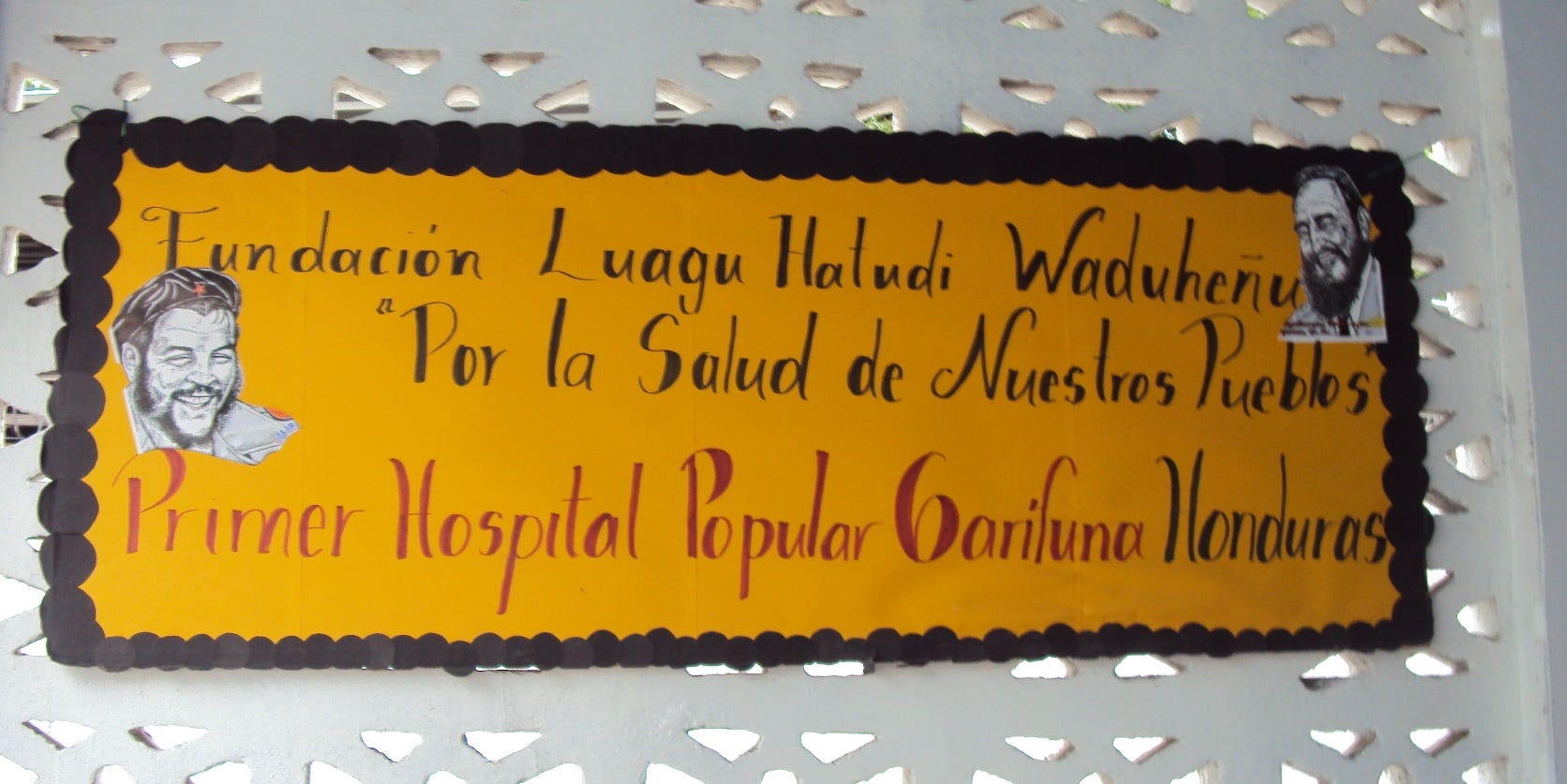
Health indicators show a decrease in infant and maternal mortality as well as a decrease in pathology from chronic diseases such as hypertension and diabetes. Despite this early success, keeping the hospital open is difficult.
It’s especially challenging to find medical staff to care for patients in the isolated region. Dr. Luther’s answer to this problem was to develop a two-year training program for local women who study to become auxiliary nurses and midwives.
Each time a woman receives her certification and becomes a nurse practitioner, she is, like Dr. Luther, empowering not just herself but the community she knows and understands.
Inventing Intercultural Medicine
Another Dr. Luther brainchild is the development of a holistic medical approach called intercultural medicine. Intercultural medicine not only treats the patient’s symptoms, but also the underlying causes of the ailment.
For instance, strained back muscles are a common injury among Garifuna women (and among women in many developing countries), who need to carry heavy bundles of wood for fires. As part of the treatment for strained muscles, a doctor traditionally prescribes pain medication and two weeks of rest with no heavy lifting to allow the muscles to heal.
But a woman with eight children—an average number in a Garifuna family—is unable to follow this treatment plan. Without wood, she can’t build a cooking fire, so how will her children eat? An intercultural medical approach addresses both of these maladies.
At the First Garifuna Hospital, the prescription would include medicine for the back pain, rest, and an additional item: a solar stove. The woman no longer needs to cut and carry wood; her back has time to heal, and her day has many more hours to devote to herself and her family.
This simple example demonstrates Dr. Luther’s comprehensive approach to medical care. But the solar stoves have yet another benefit. Not only are they environmentally friendly and a cost-effective alternative to open-air cooking fires, but they are also assembled in the local community. As a result, the production of solar stoves is helping to form a new cottage industry and create employment opportunities in an economically depressed area.
Honored & Humbled
In just a few hours of meeting Dr. Luther, my eyes had been opened to a whole new world. I was deeply impressed by his community work and his personal achievements. I was especially inspired by his willingness to forego a more lucrative career as a private physician to provide free medical care to his own community.
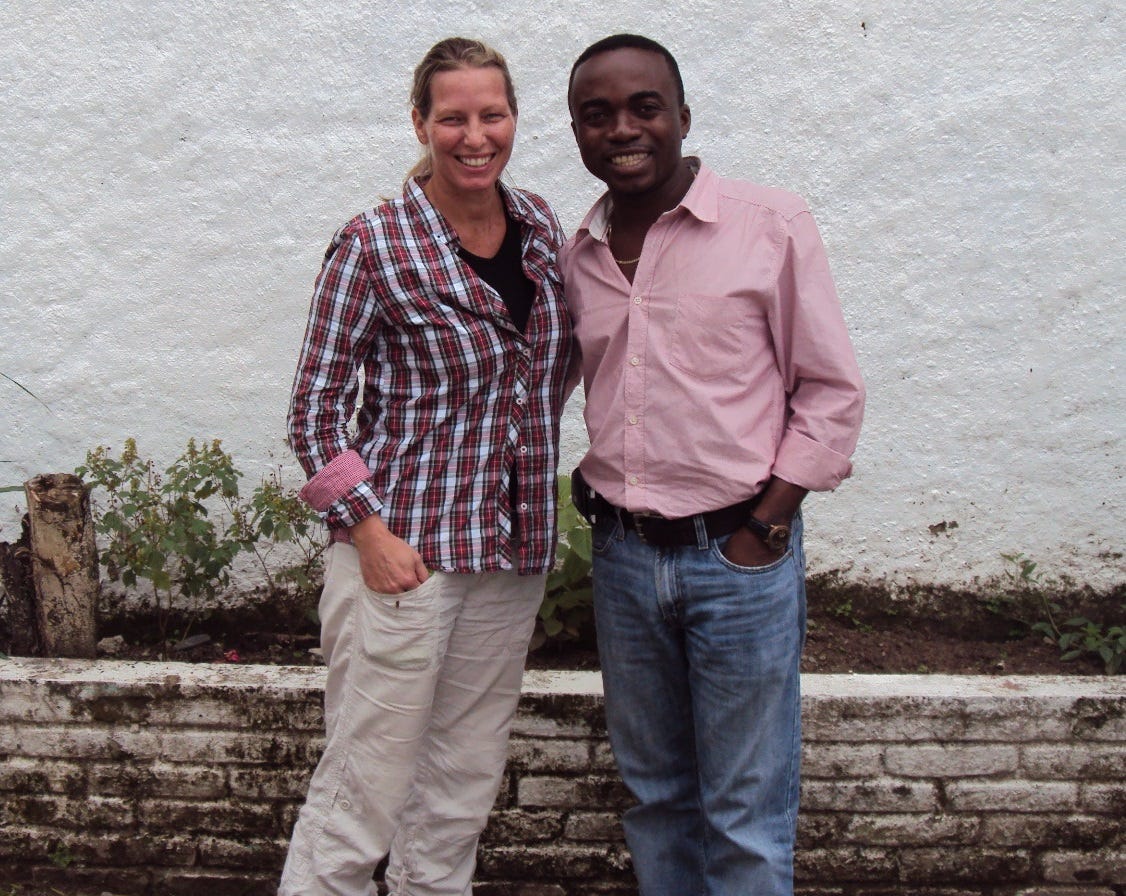
I’m grateful to have had the opportunity to learn about intercultural medicine. The full circle of light that one man can bring to the world is positively illuminating.
As I travel the world, the warmth of my hosts and their dedication to their communities never ceases to amaze me. Dr. Luther welcomed me into his home and fed me—both my belly and my mind.
These are the types of experiences that I cherish as I explore: the opportunity to enter the lives of passionate and purposeful individuals and to hear their stories of shining resilience first-hand.
I’m forever inspired by those who have endured a battered beginning, entrenched illiteracy, or grinding poverty. Those who have found the strength not just to survive but also to fill their lives with creativity, conviction, and compassion.
These experiences encourage me to keep traveling and to continue learning.
Have you ever encountered a truly inspirational person? What did you learn? Did they change your life?
⭐ An Adventure A Week is a serial based on my autobiography “Adventures Of A Nomad: 30 Inspirational Stories.” Can’t wait for the next installment? Get the book.
If you like this essay, please leave a comment or share it with others. This will help more readers find my work. 🦋 Thank you!
Christened “Wander Woman” by National Geographic, Erin Michelson is a professional speaker and author of the Nomad Life™ series of curated trips and travel guides, including the #1-ranked “Explore the World with Nomads.”