

Taking Flight: Mexico’s Butterfly Migration
Cultural Delight

I’ve long heard about North America’s annual butterfly migration, where millions of Monarch butterflies migrate up to 3,000 miles. The colonies fly from their breeding grounds in Canada and the United States to central Mexico, where they spend the winter months.
I was excited to finally visit the winter-time roosts in Mexico. There are four butterfly biospheres or sanctuaries, just 2 hours north of Mexico City:
El Rosario, the biggest and most developed site
Sierra Chincua, offers shorter trails for families
Senguio, known for stunning landscapes
Cerro Perón, closed to the public and the least visited of all the sanctuaries
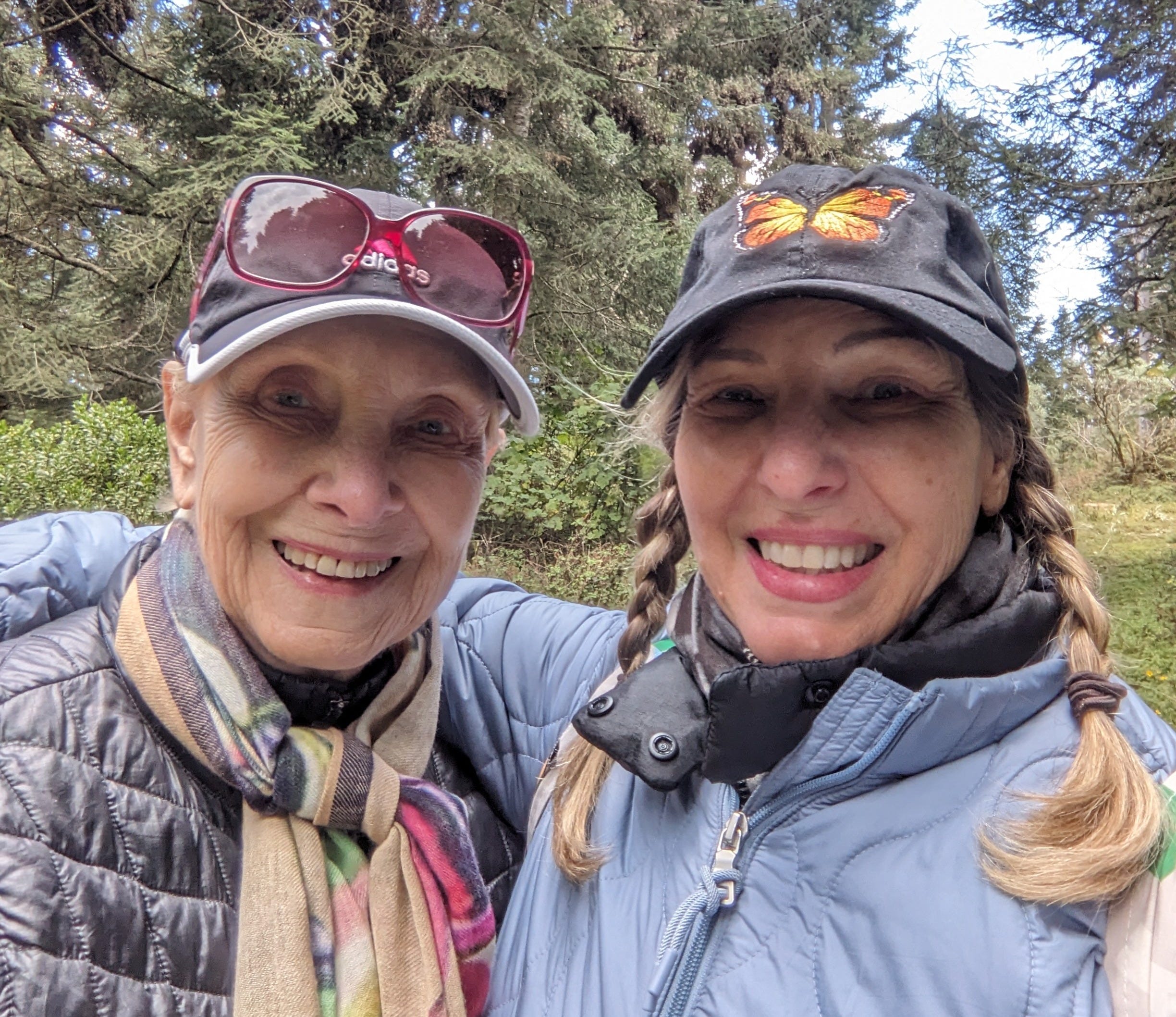
This week, I traveled to Cerro Perón with my mum. Our small group of 6 guests + 2 guides traveled about 1.5 hours high into the mountains, much of it over a rocky trail in a 4x4, followed by 20 minutes on foot, to reach the local butterfly colonies.
Visiting the Butterflies
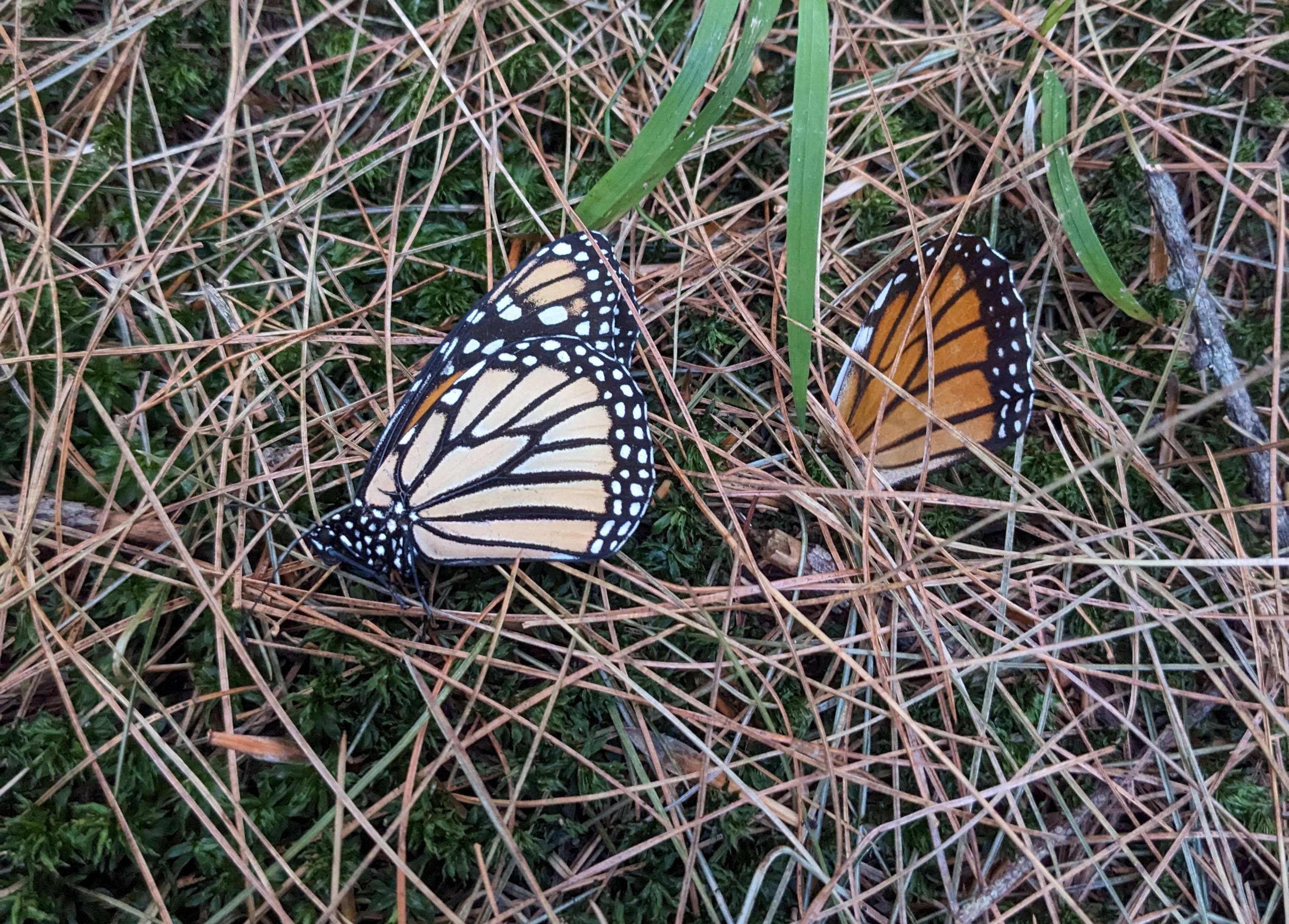
As we approached the local roost, we first spied butterflies that had fallen from the trees and were lying on the ground. Still alive, we walked slowly, placing our feet carefully to avoid crushing them.
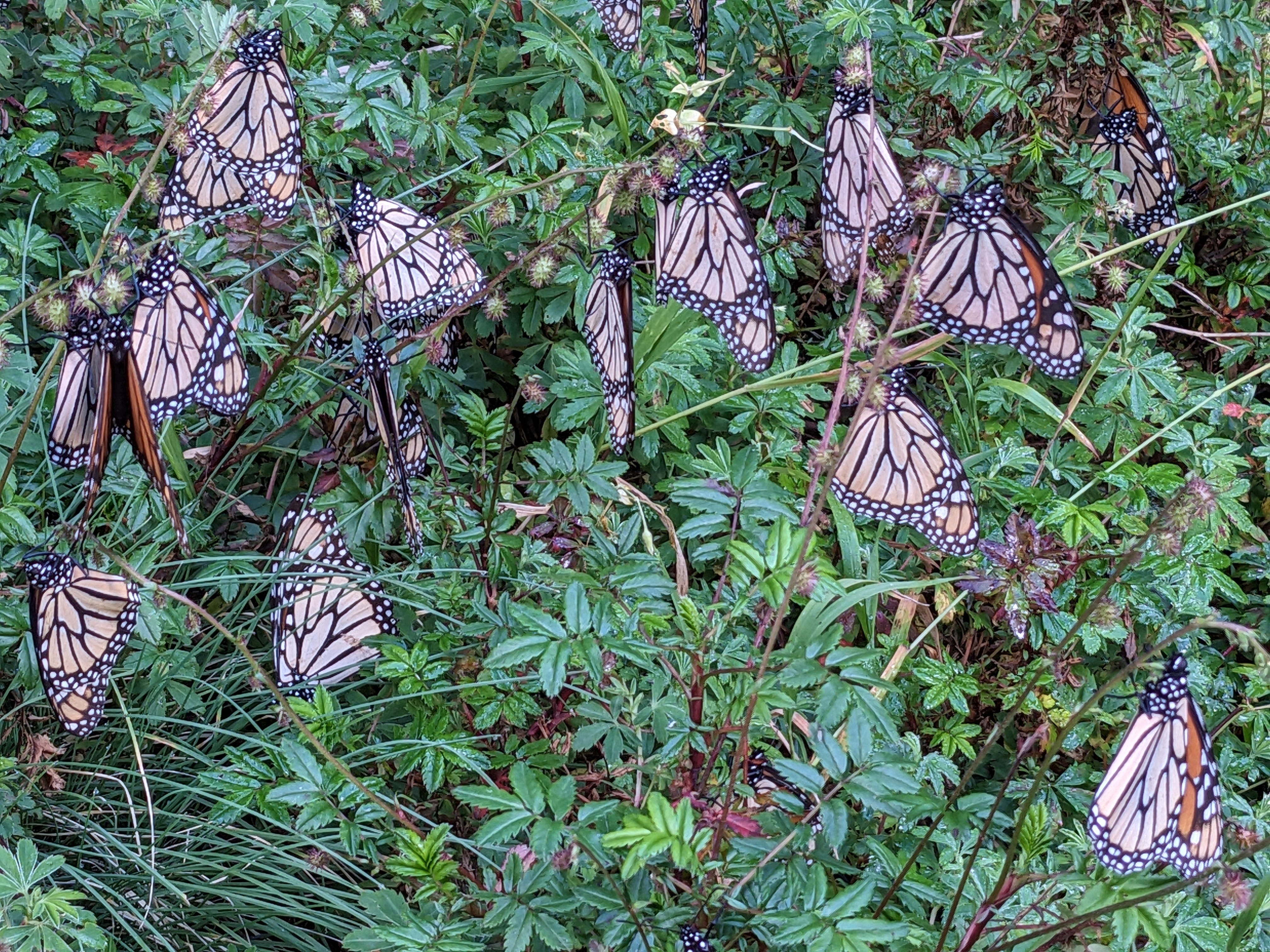
We also saw the butterflies hanging from bushes closer to the ground. They hung upside down from the low plants, still wrapped tight against the chilly air.
Finally, we spied the colony sleeping high in the trees. With their wings closed against the cold, the butterfly clusters looked like light brown leaves. They were sleeping in clusters, which appeared to weigh heavily on the branches.
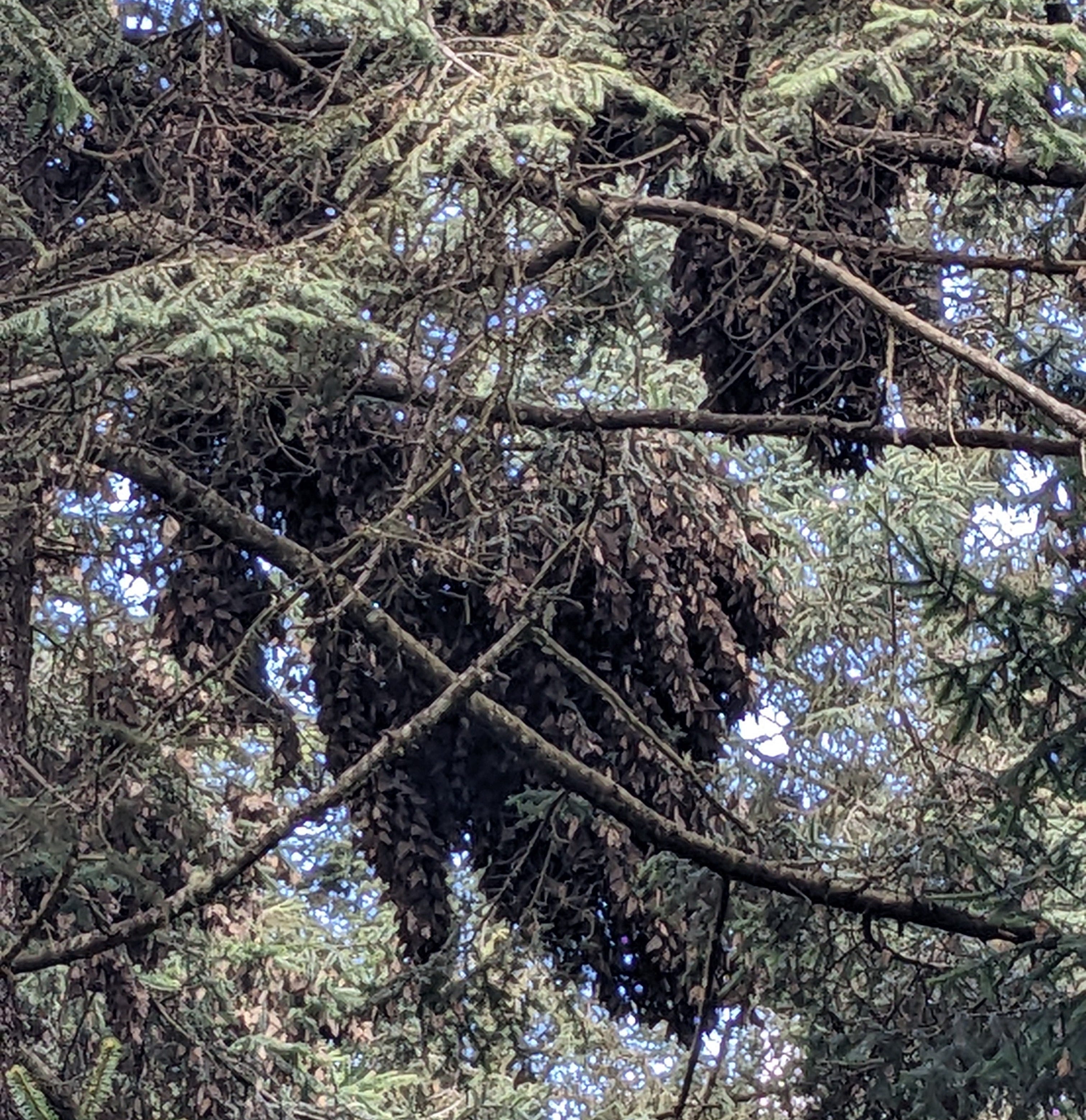
In order for the butterflies to wake up and fly, the air temperature needs to reach at least 55°F (13°C). Usually, they hibernate until late morning, then the sun emerges, the air warms up, and they take flight.
The day of our visit was a cold and grey day, so we didn’t think we’d be able to see the butterflies airborne. But just then, the clouds parted, the sun shone, and the butterflies opened their wings to the warm air.
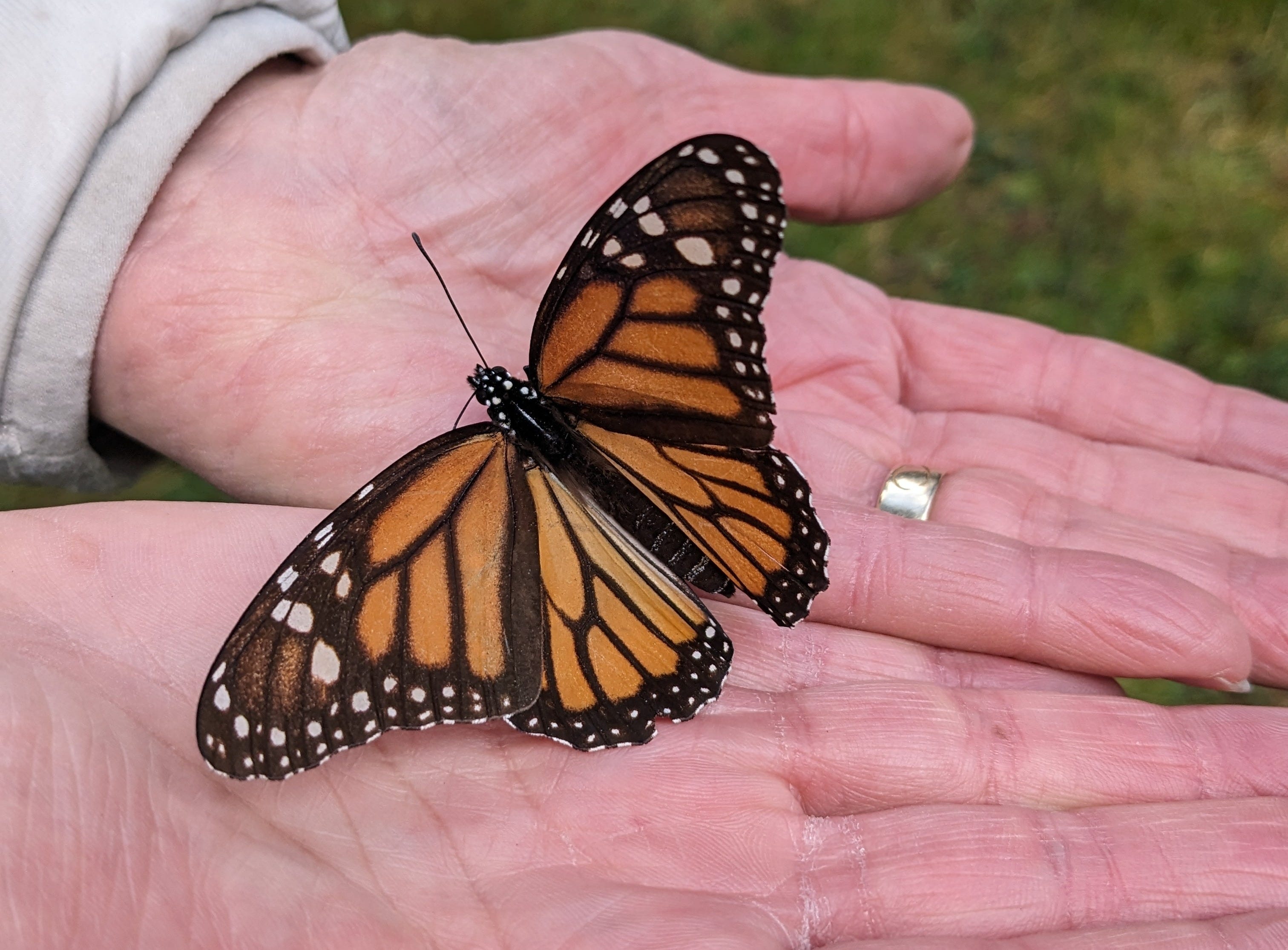
It was truly remarkable to see thousands of these beautiful creatures unfurl their wings and fly. Their bright orange and black markings are vivid against the bright blue sky.
Then it was over. After about 15 minutes of viewing, the dark clouds rolled back in, hiding the sun and sending the butterflies back to their roost. While the time was short, we all felt lucky to have seen the butterflies take flight. They left an indelible impression, not just of natural beauty, but also of the precariousness and fragility of their natural habitat.
Responsible Viewing
During our excursion, we followed responsible viewing practices, including watching silently so as not to disturb their hibernation, no drinking or smoking, no flash photography, and no wearing mosquito repellent. Time spent inside sanctuaries is usually limited to 18 minutes to prevent overcrowding.
It is also prohibited to take dead butterflies, as the carcasses still contribute to the life of the colony by:
Becoming part of the food chain and helping nourish the entire mountain ecosystem.
Releasing a scent that helps the colony locate their hibernation sites in future seasons.
Most importantly, we hired local guides who knew the mountain trails and could help us find the roosting colonies, which move every year. Hiring local guides also helps to employ those living in the local communities surrounding the sanctuaries.
Butterflies in Peril
Following these viewing precautions is vital since the Monarch butterfly populations in California and Mexico are in steep decline.
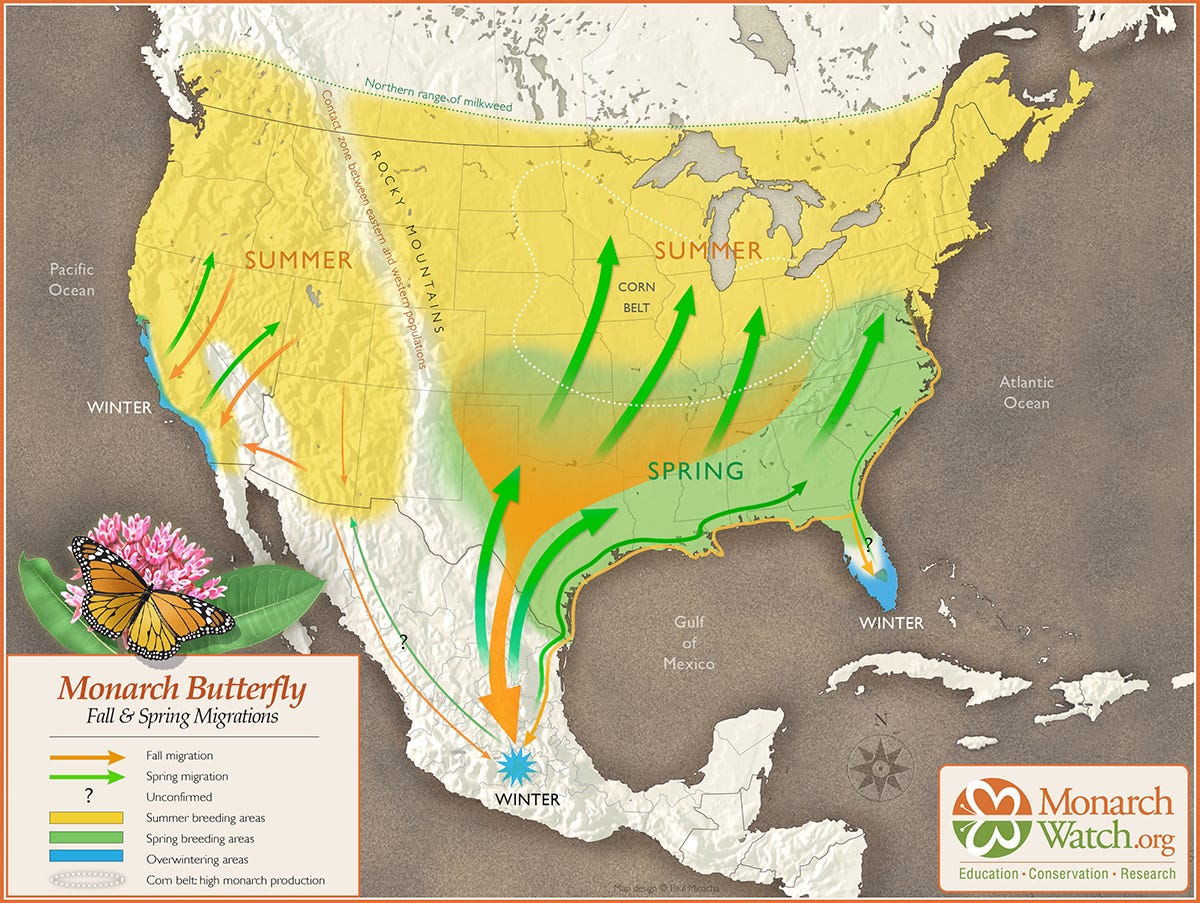
The Western Monarch, which hibernates in the redwood and cypress trees on the northern California coast, has declined 99%. Populations have plummeted due to a number of factors, including habitat loss, pesticide use, and human-caused climate change, affecting migration and nectar sources.
The Mexican Monarch population has declined by 90%. The Mexican Monarchs suffer from a loss of habitat in their fly zone over the American Midwest. The butterflies’ habitat is disappearing due to increased use of pesticides on corn and soy crops, as well as declining milkweed, where they lay their eggs, and wild flowers and nectar plants, which are sources of food for the butterflies.
Deforestation is also contributing to the Monarch’s decline in Mexico. With few employment opportunities, some in the communities surrounding the butterfly colonies resort to illegal logging, which destroys the tree canopy. Also, the increase in avocado farms is reducing forests, thereby further encroaching on the butterflies’ habitat.
Help Save the Butterflies
Our guides from Cerro Perón provide a list of ways we can help preserve the remaining butterfly colonies:
Stop poisoning the habitat: Avoid purchasing genetically modified foods and advocate for accurate food labeling and consumers’ right to know.
Feed the butterflies: If you live on the monarch migration route, plant milkweed, nectar plants, and wildflowers. You can even start a butterfly garden on top of your apartment building.
Become a citizen-scientist: If you live in the monarch flyway, participate in citizen science efforts by documenting monarch sightings, such as timing and what plants they are eating. Three organizations to volunteer with:
Protect the forests: Support grassroots conservation efforts in the Sierra Madre mountains. This includes hiring local guides, who provide vital economic support for local communities.
Fight climate change: Climate change is affecting butterfly habitat with higher than usual temperatures and an increasing incidence of winter storms. Please advocate with your local politicians.
Harbingers of a Healthy Environment
Butterflies are not just beautiful; they are instrumental to a healthy ecosystem by pollinating native plants, contributing to plant reproduction and biodiversity, and serving as a key source of food for birds, bats, and insects.
The state of butterflies is also an indication of our ecosystem’s overall health. Growing populations signal a healthy environment, while decreasing numbers—like those we are now seeing—indicate ongoing destruction and impending natural disaster.
Interested in learning more about butterflies? Check out:
National Geographic “How to See Mexico Monarch Butterflies”
National Geographic “Monarch Butterfly Migration Endangered”
NPR “Monarch Butterflies Now Wear Tiny Tags for Scientists to Track Them”
Author’s Note: We stayed at Cerro Perón Butterfly B&B, located within the Monarch Butterfly Biosphere Reserve. I recommend this adorable family-owned B&B, which offers accommodation and butterfly tours, as well as cooking classes, nature walks, and horseback riding on mountain trails. Watch this feature on the BBC Travel Show.
If you like this post, please leave a comment or share it with others. This will help more readers find my work. ❤️
Christened “Wander Woman” by National Geographic, Erin Michelson has traveled to 130+ countries & all 7 continents. She is a professional speaker and author of the Nomad Life™ series of curated trips and travel guides, including the #1-ranked Explore the World with Nomads.
Curious to learn more about nomad life? Get the guide “Explore the World with Nomads: 50 Practical Tips, Interviews & Insights.”

It was lovely to meet you and your mom at Cerro Pelon B&B. It certainly is a magical place. Your story was great, so informative. Looking forward to learning more about your travels. Happy holidays and all the best in the new year.