

Destruction Tourism: Eritrea
An Adventure a Week

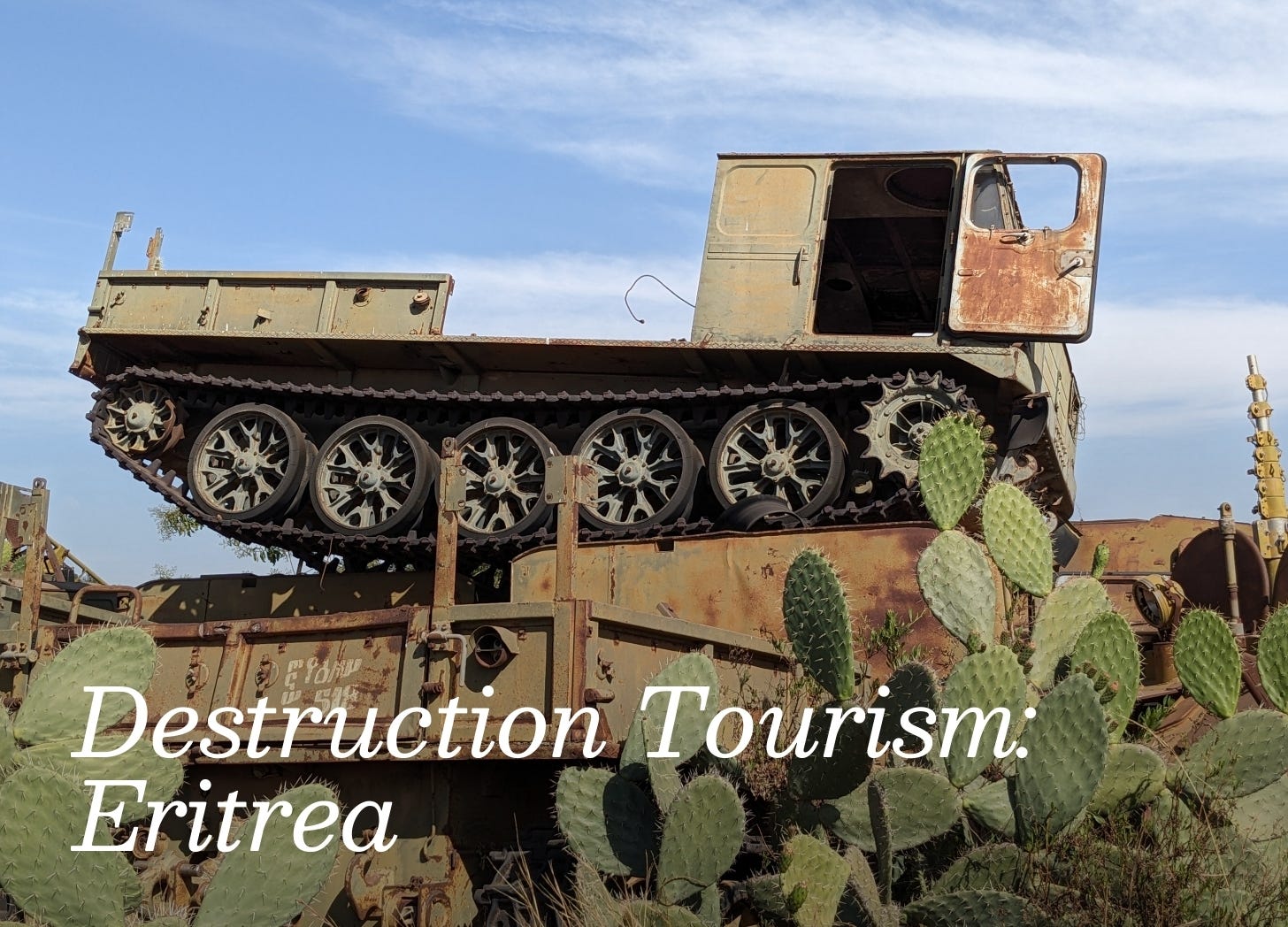
During my one-week visit to Eritrea, I was shocked that our tour guide took us to 3 sites of destruction—a graveyard, a junkyard, and a scrapyard—as the city highlights.
To me, all three sites spoke to the country’s entrenched poverty and wanton destruction.
First, at the hands of colonialists. Then, due to a debilitating 30-year war of independence with Ethiopia. And finally, the result of the current government’s closed-door policies that are strangling the country.
I think these hardships are best conveyed visually.
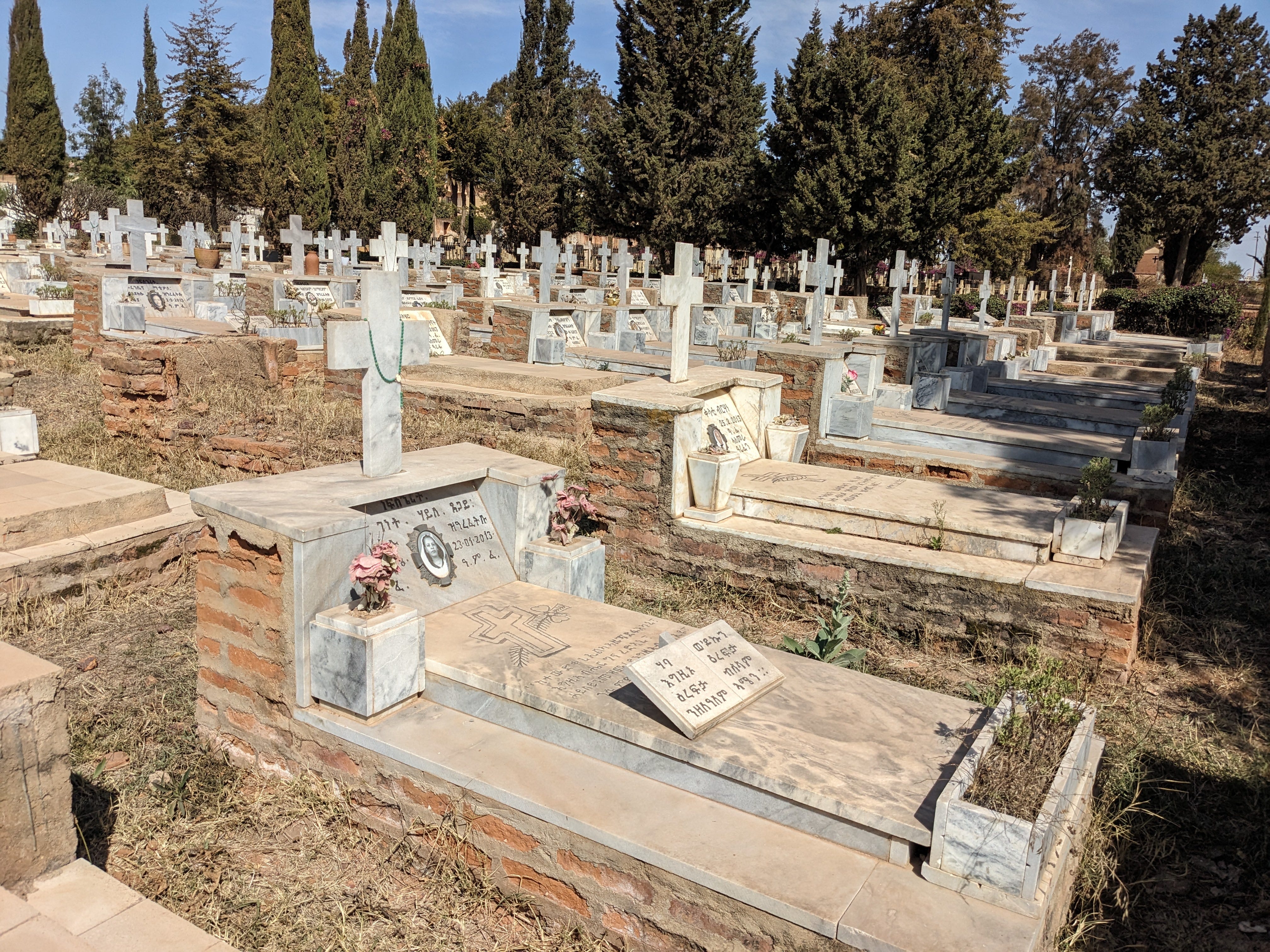
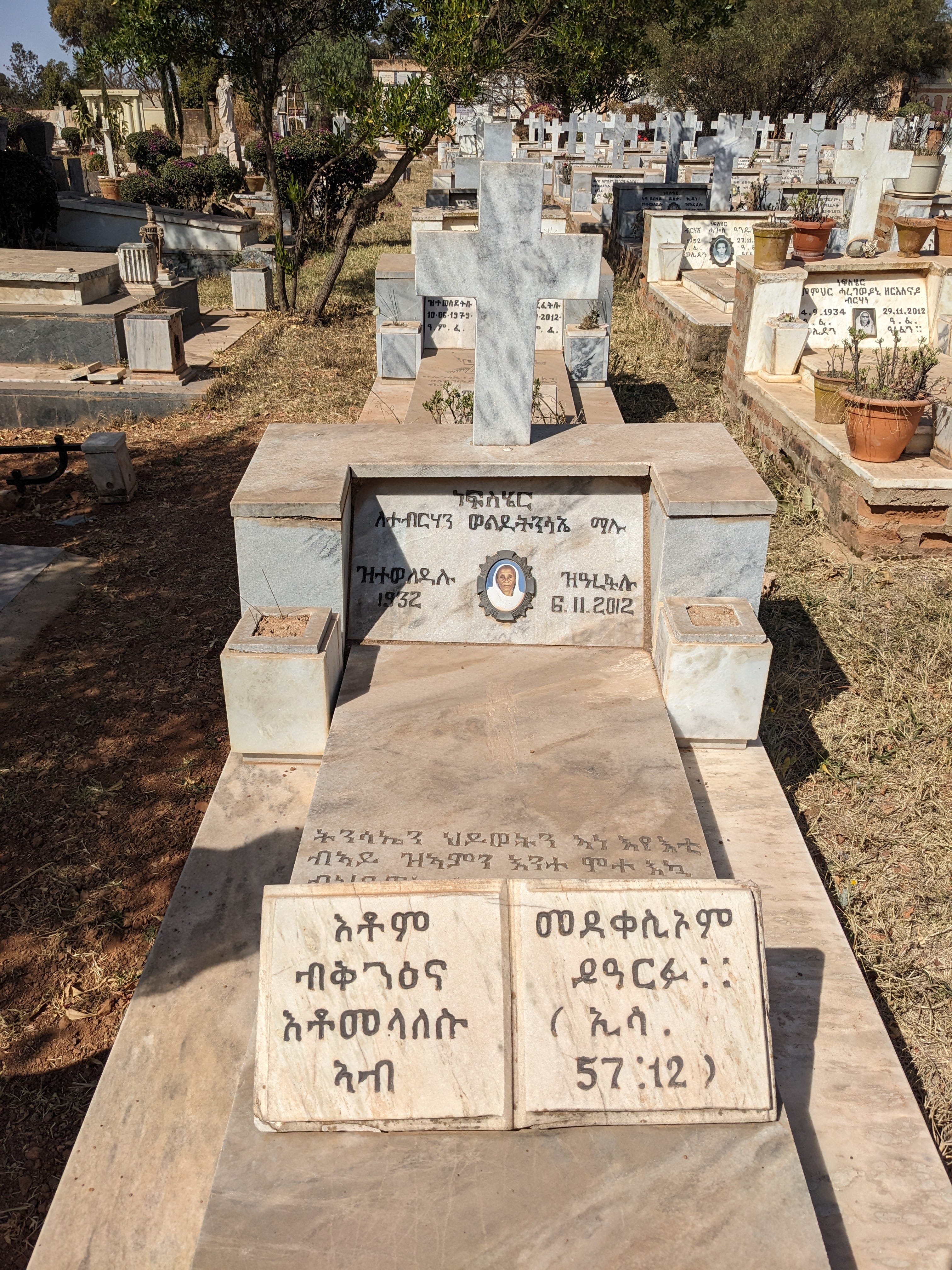
The Italian graveyard
It surprised me that Italian culture continues to be celebrated throughout the country after nearly 60 years of colonialism, which only ended with Italy’s loss in WWII.
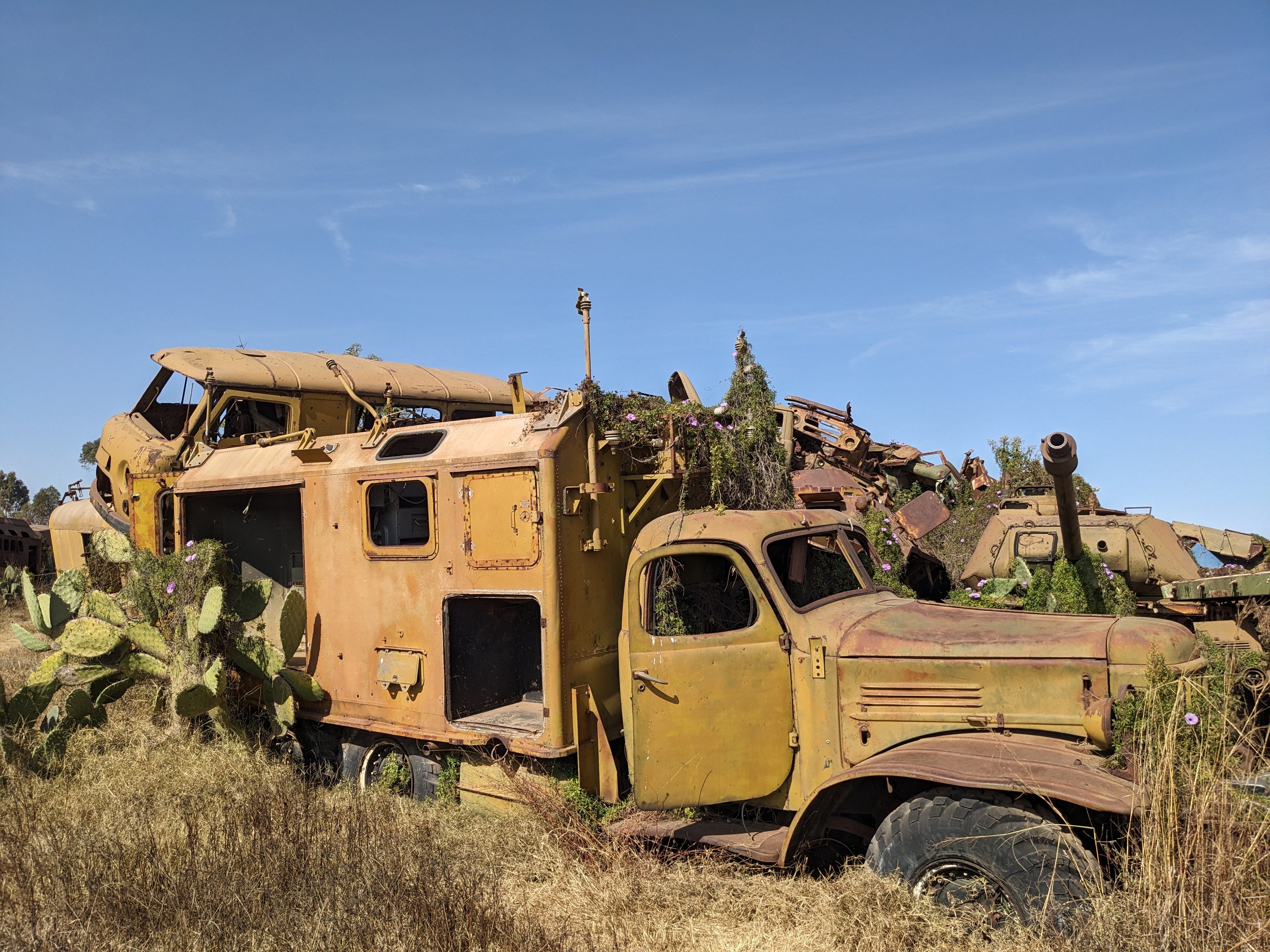
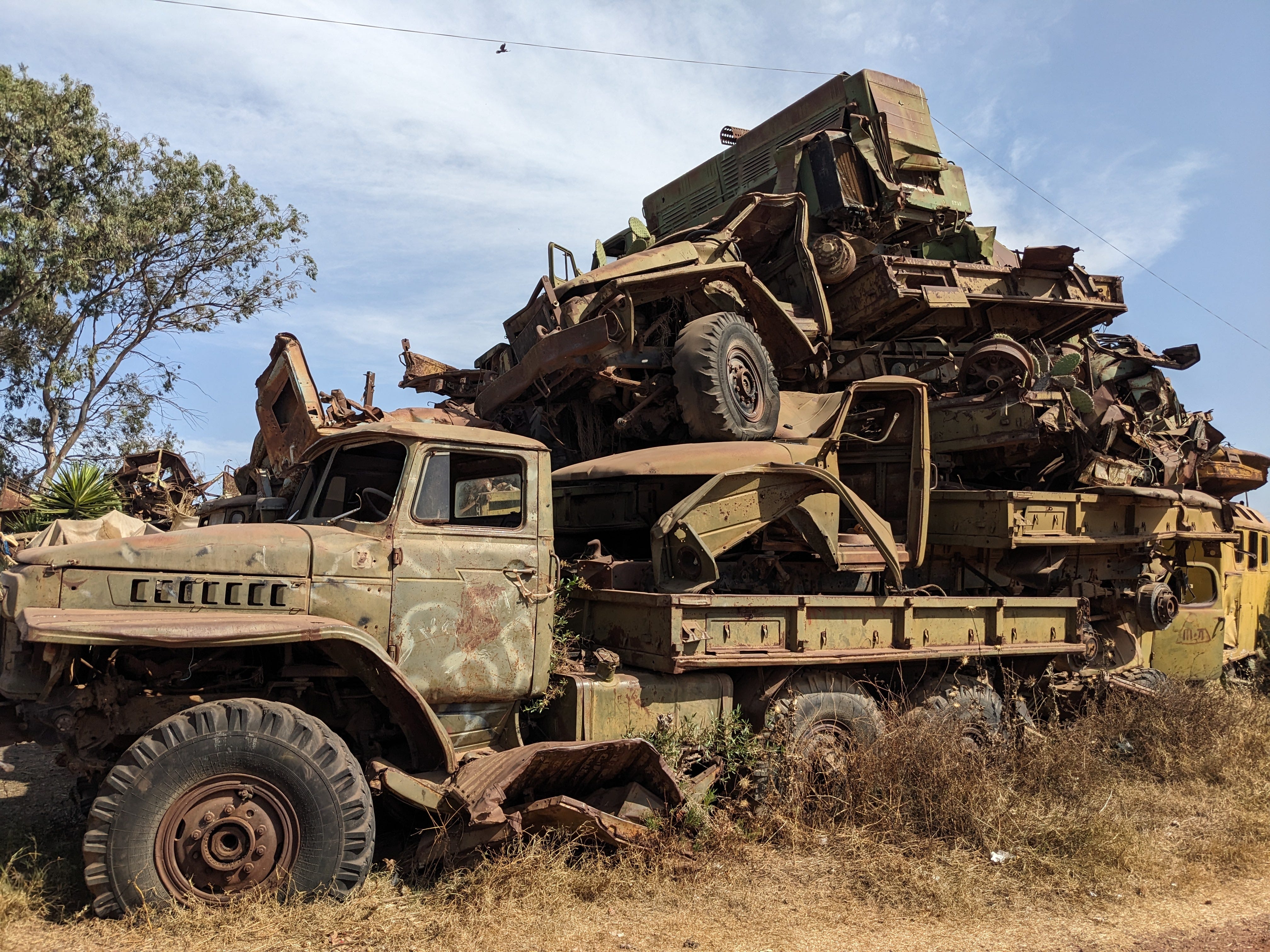
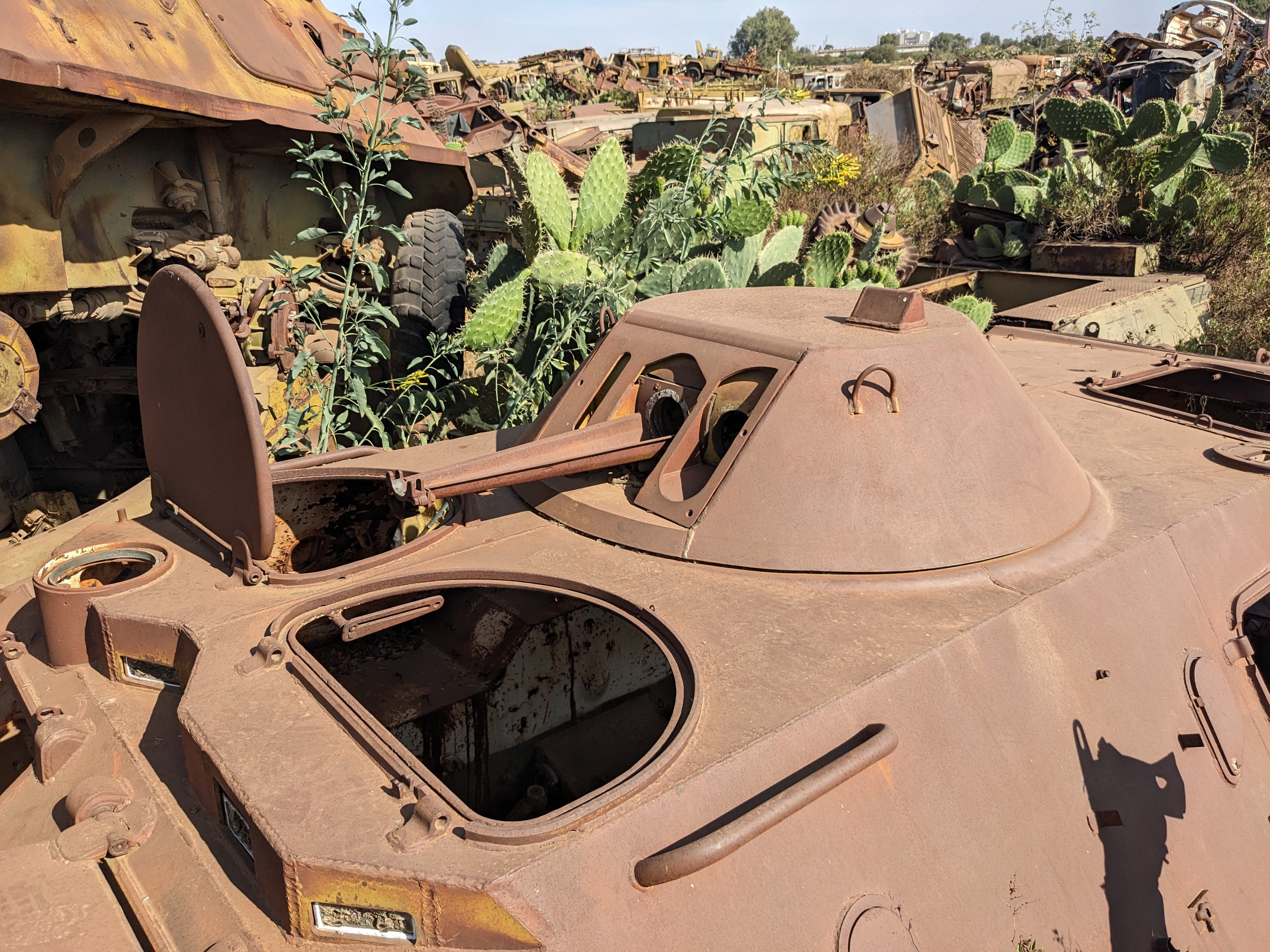
The War of Independence junkyard
The government keeps the derelict trucks and tanks as a testament to the war and as a tribute to the Eritrean fighters, who were able to triumph over Ethiopia, which was backed by both the US and USSR.
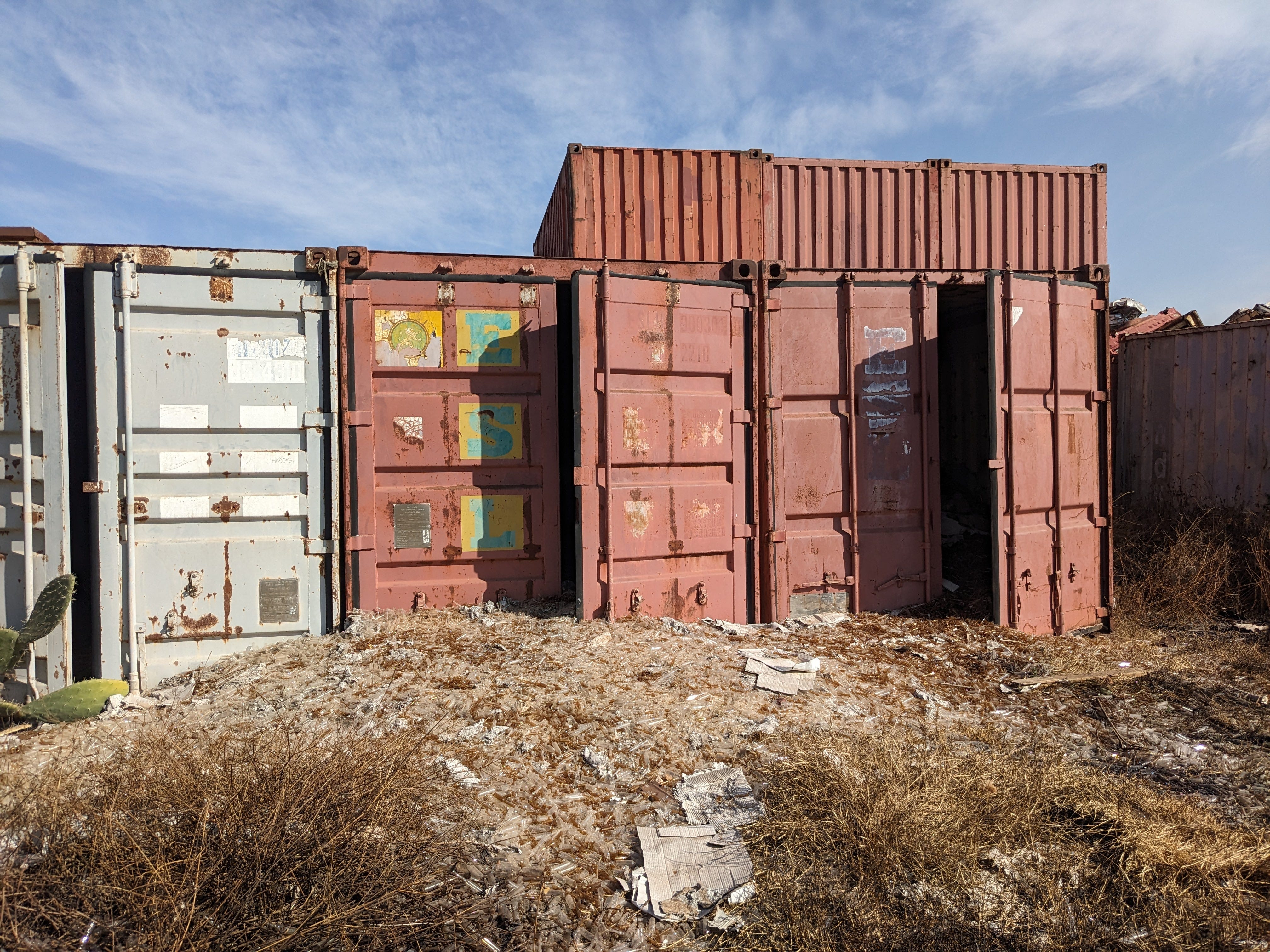
This last photo of the thousands of morphine bottles lying on the ground and crunching underfoot took my breath away.
The city’s economic engine: the scrapyard
Eritreans are masters at repurposing. Scrap metal is particularly valuable, and every sheet is hammered out to be refashioned into something useful.
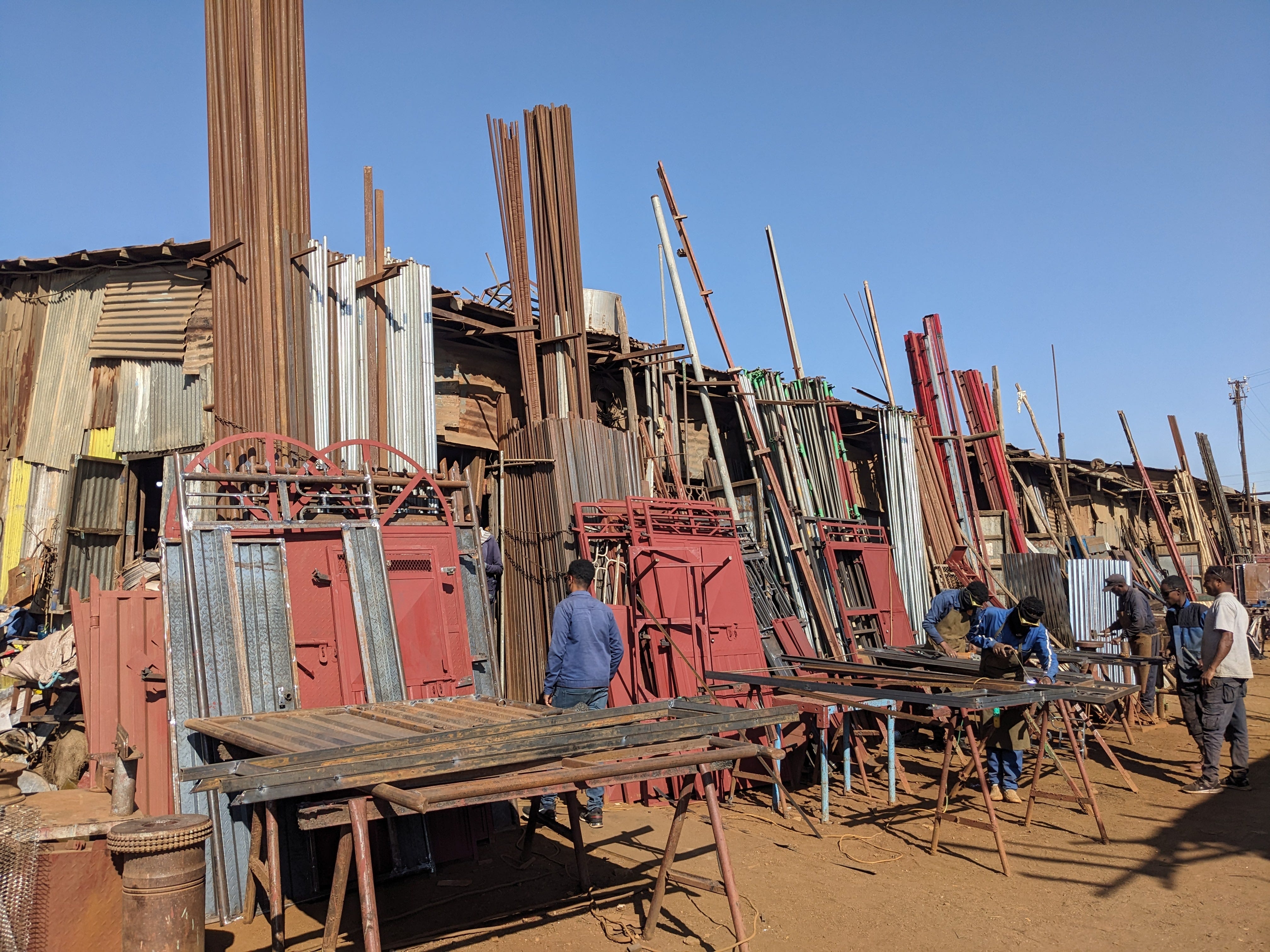
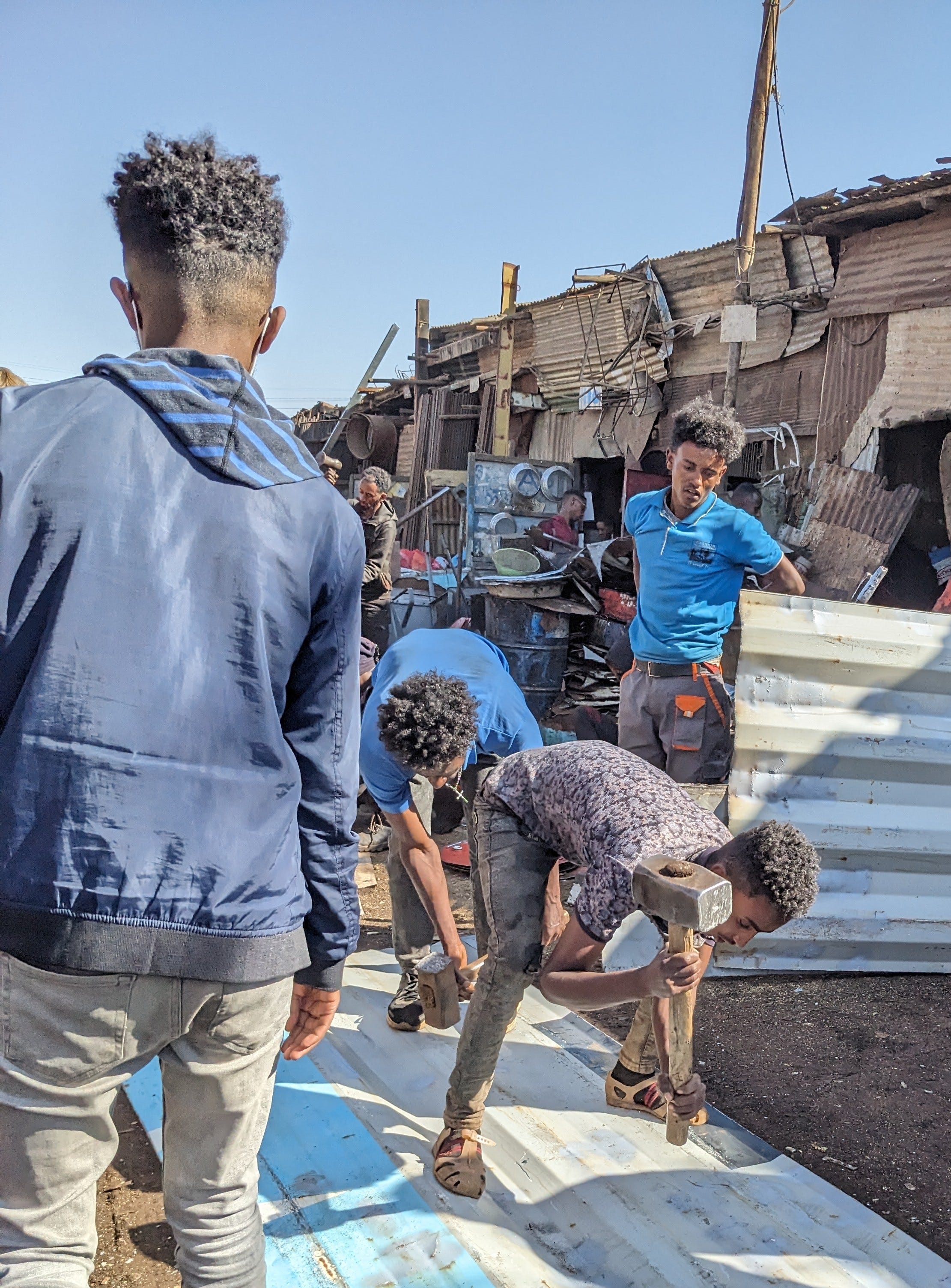
Children also worked at the scrapyard, which is a fairly dangerous place. My guides told me these kids were here because it was their 2-week break from school.
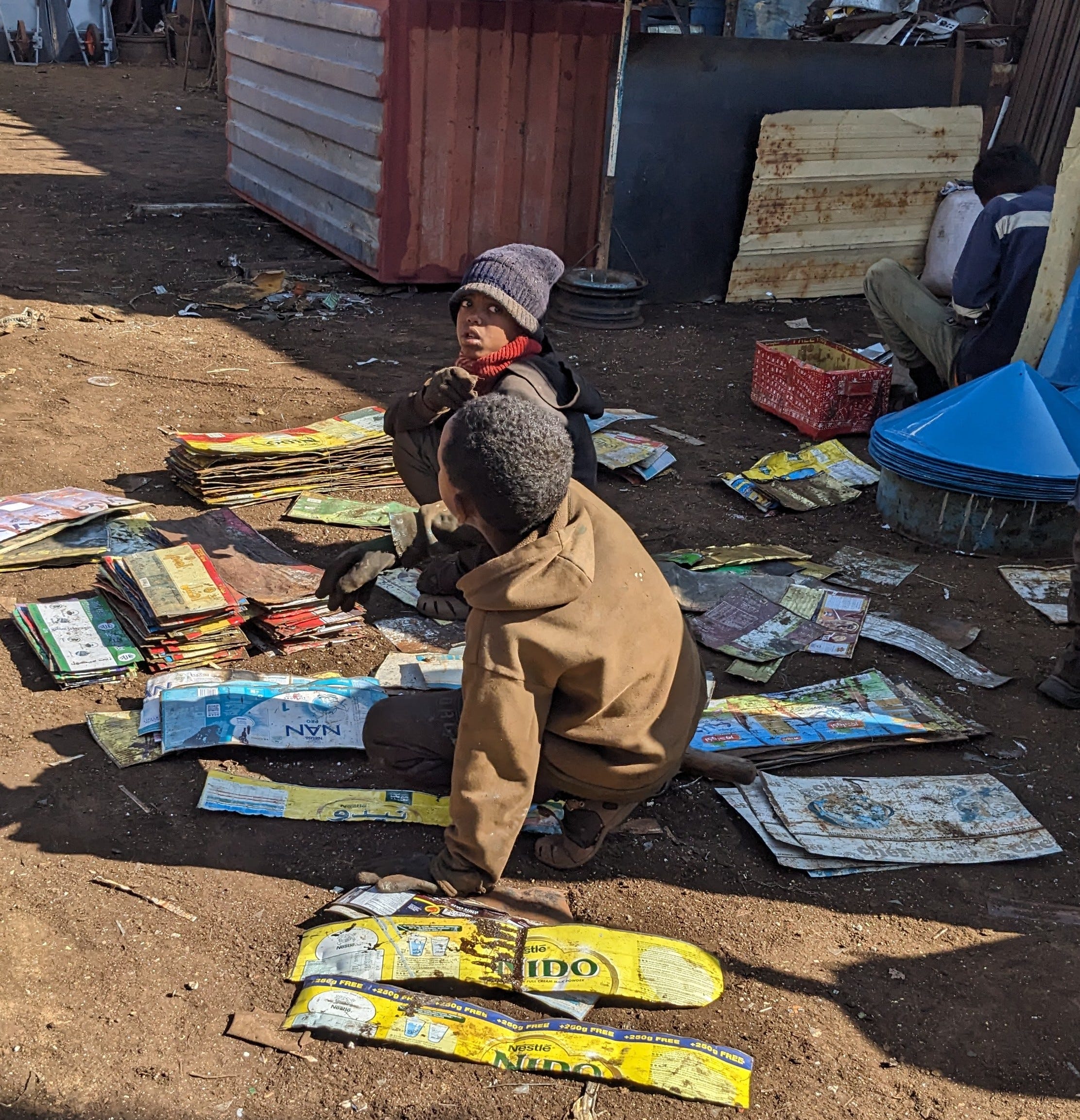
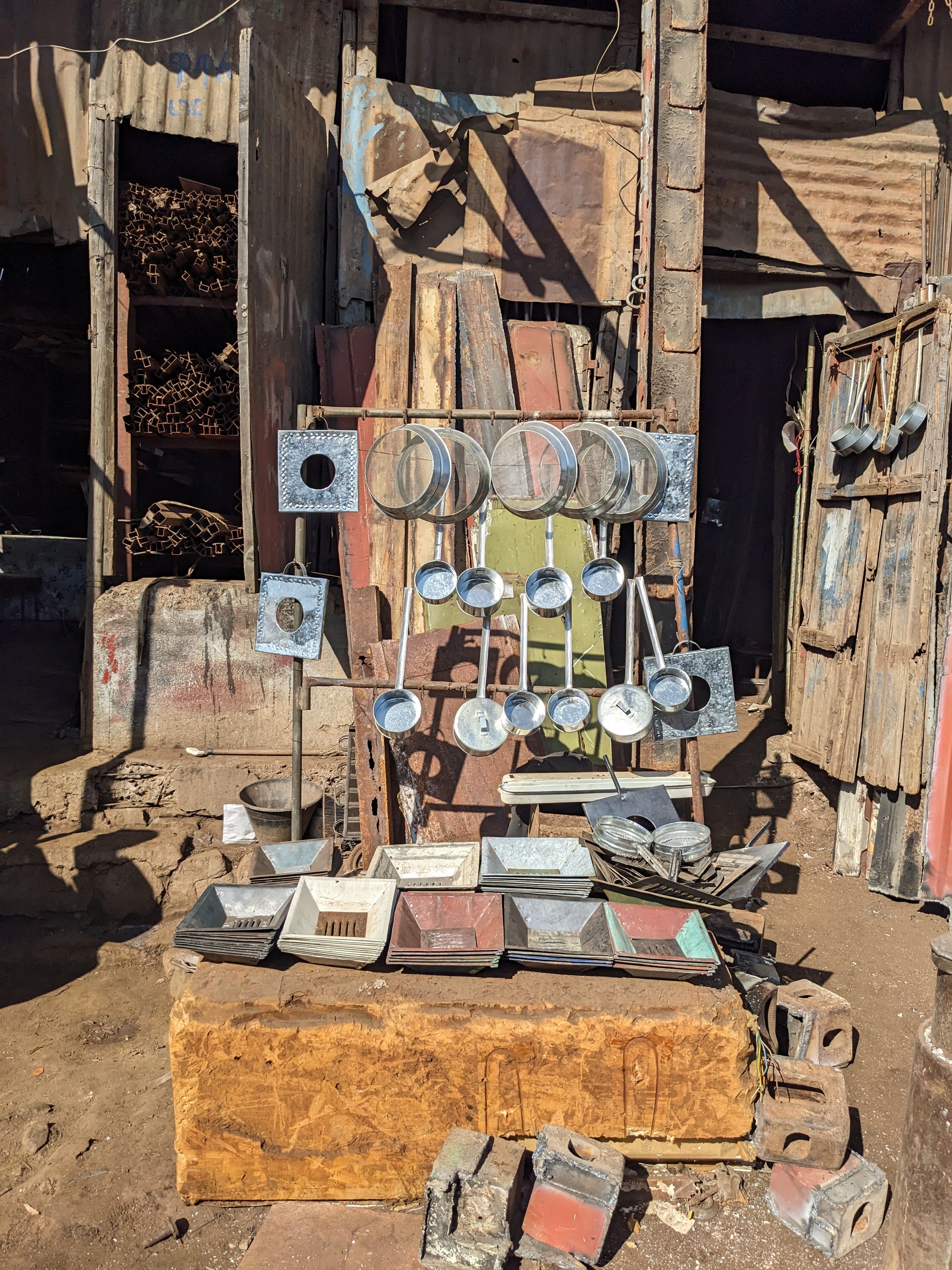
These top 3 tourist sites are but a taste of the overall dilapidation of the country. And when viewed next to the hard-working nature and genuine warmth of Eritreans, it is indeed heartbreaking that these people need to struggle so hard to survive.
If you like this post, please leave a comment or share it with others. This will help more readers find my work. ❤️
Christened “Wander Woman” by National Geographic, Erin Michelson has traveled to 130+ countries & all 7 continents. She is a professional speaker and author of the Nomad Life™ series of curated trips and travel guides, including the #1-ranked Explore the World with Nomads.
Want to read more about my adventures? Get the book “Adventures of a Nomad: 30 Inspirational Stories.”
Erin — this stayed with me. Not because it was sensational, but because you resisted the urge to aestheticize what is clearly hard, layered, and unresolved.
What struck me most was how those sites weren’t framed as spectacle, but as evidence — of history that hasn’t been metabolized yet. The graveyard, the junkyard, the scrapyard aren’t “attractions” so much as receipts. They ask the visitor to sit with cause and consequence rather than look away or tidy it up into something more comfortable.
I also appreciated the way you held two truths at once: the visible damage and the dignity, ingenuity, and warmth of the people living within it. That tension feels honest. And necessary. Too often travel writing either romanticizes resilience or flattens places into tragedy. You did neither.
This is the kind of piece that reminds me travel isn’t always about delight or escape — sometimes it’s about witnessing, without rushing to resolve what can’t be resolved quickly.
— Kelly
Erin! Loved getting a glimpse of Eritrea. I so appreciate this type of stories about unpolished sites. Thank you ❤️