3 Ways to Care for Local Communities
Cultural Delight

When I travel, I always search for ways to volunteer and engage in community activities. (In fact, I wrote a whole book about volunteering while traveling around the world.)
Community engagement gives me an opportunity to:
Experience a (new to me) culture
Meet local residents
Better understand the societal needs of that country
Contribute to the community
I realize that 3 of the 4 reasons for volunteering listed above benefit me more than the community, so I always want to ensure I give back in some way. This gesture is both in gratitude for the experience and simply to aid fellow humanity if I can.
Here are some ideas on thoughtful spending that can help to create a positive impact with our traveler dollars.
Putting My Dollars Where My Heart Is
There are many programs where you can pay to volunteer, and I sometimes do. (I will write about my thoughts on paid volunteering in an upcoming article.) But there are also lots of ways to care for the communities we’re visiting that don’t include formal program participation.
Here are 3 of my favorite supportive community activities:
1) Book with Pro-Social Businesses
As someone who runs ethical adventures, this is the easiest and most impactful way to care for communities—by putting our dollars directly in the pocket of local owners and operators. With ethical tourism, a little research goes a long way in terms of impact.
Three examples of how mindful spending can support local economies:
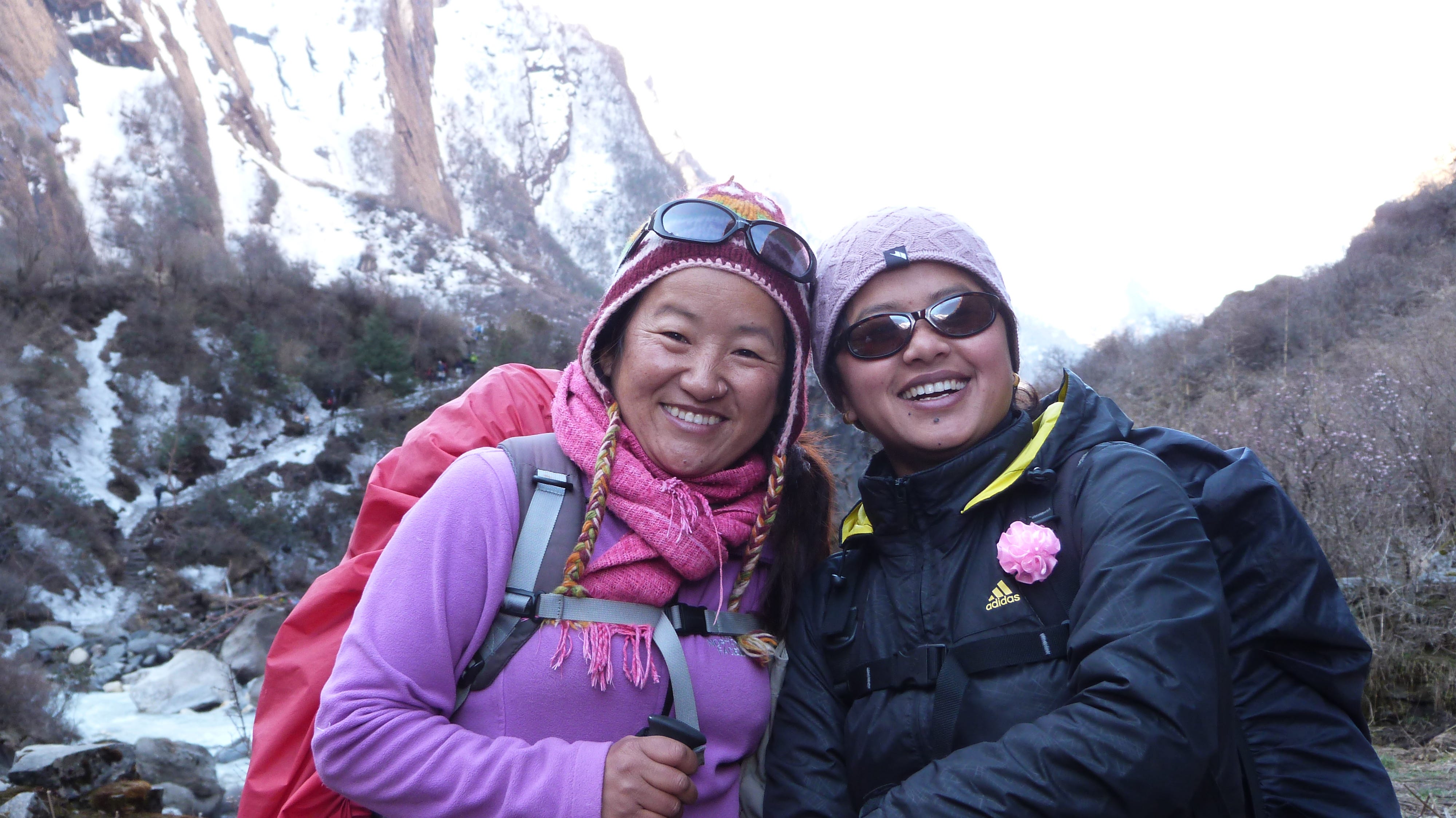
Trekking Companies: To trek to Annapurna Base Camp in Nepal, I chose 3 Sisters Trekking, which hires and trains female guides. This decision helps to support women’s education and empowerment. Learn more about these impressive women here.
Animal Welfare: When visiting a wildlife research and rehabilitation center, do your homework to ensure the humane treatment of animals (for the animals’ sake, not the tourists’ entertainment). For instance, in Kyrgyzstan, I’m hearing of travelers opting for hiking expeditions instead of riding because of the poor treatment of the horses. Online forums are a great source of honest feedback.
Local Ownership: For the trip I’m organizing to Cambodia & Laos, I’m working with our tour agency to ensure we only book with locally-owned and locally-operated accommodations. This way our money builds local wealth, instead of feeding a global conglomerate.
2) Support Local Nonprofit Organizations
This is one of my favorite activities as I discover a new city. I search out nonprofit organizations which are doing good work in the community. Luckily, many city guides will direct you to them. Here are 3 experiences I truly appreciated:
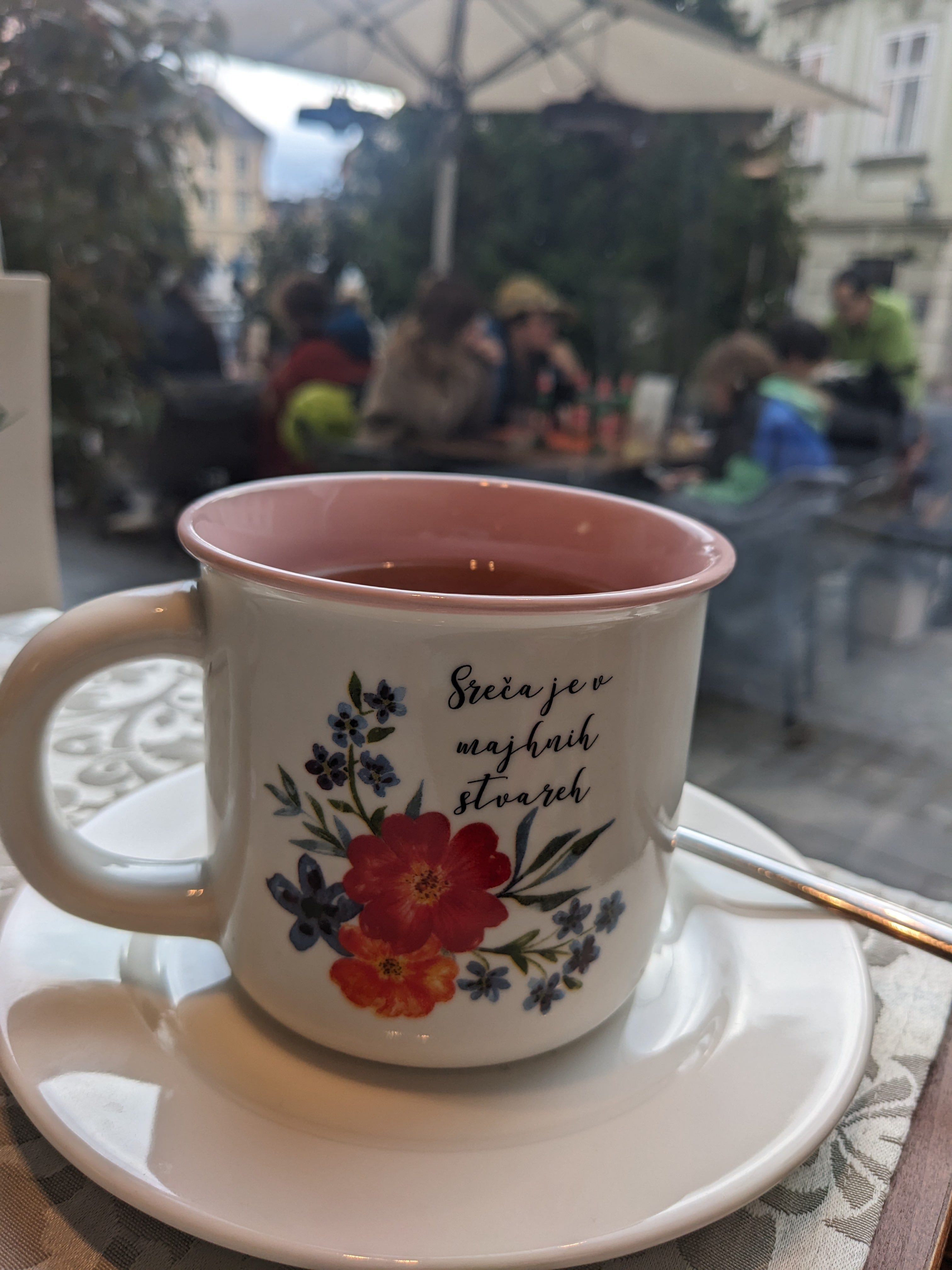
Restaurant in Ljubljana: Last week, I made a plan to visit a restaurant that not only specialized in Slovenian food (granted, not my fav), but also trained those with developmental challenges to wait on customers. I appreciate the Nomads 50+ Ljubljana City Guide written by Chris Kalaboukis for suggesting the place.
Blind massage in Pokara: After my Himalaya hike, I was in need of some TLC. After asking around, I was directed to a nonprofit that teaches those who are blind to give massages to weary trekkers. I got my massage and individuals, who have historically been left out of the Nepali workforce, received job training.
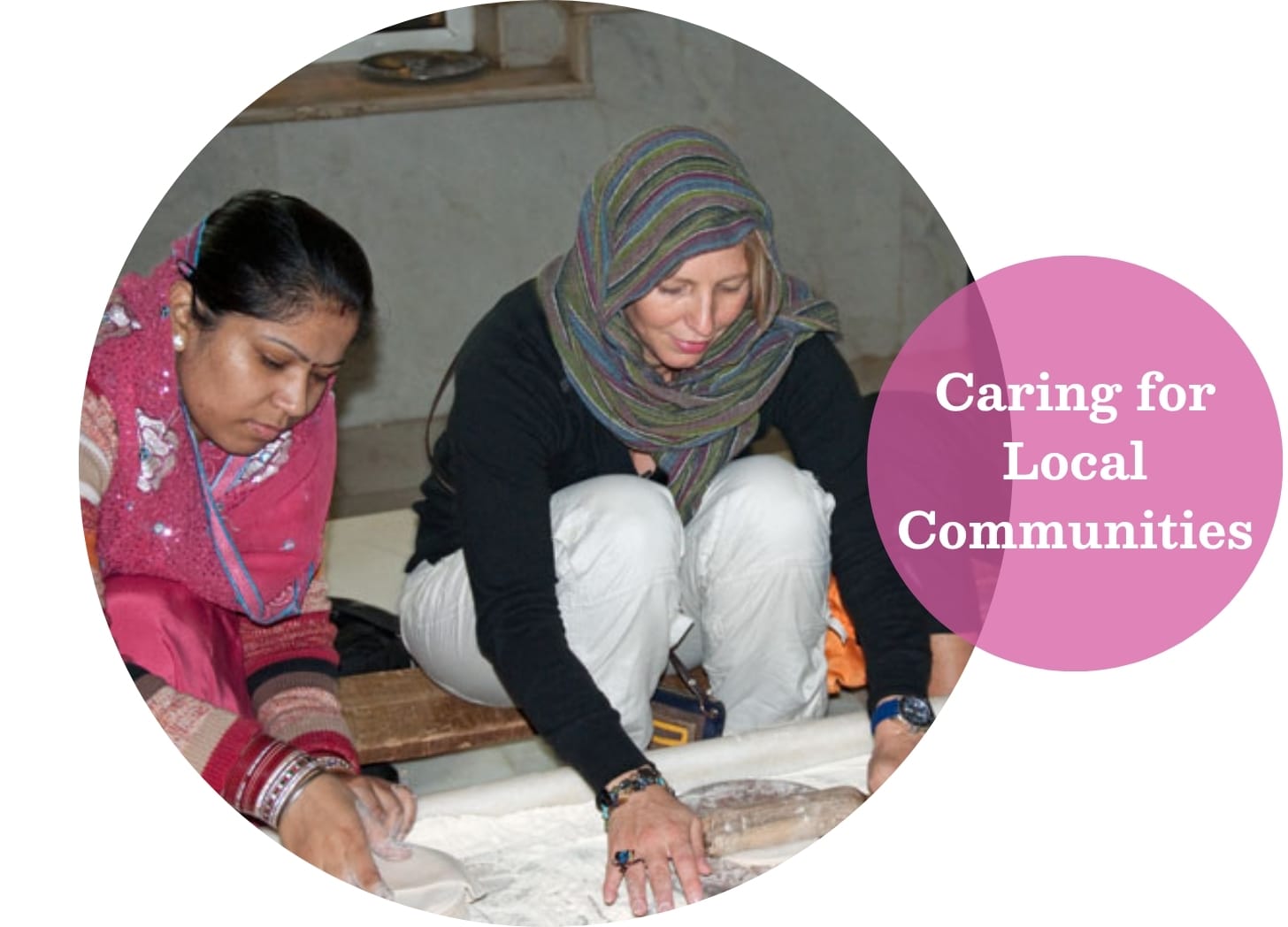
Making naan in Delhi: During my trip to India, I visited a famous Sikh temple in Delhi that invites all visitors to participate in their community lunch program. Here, I rolled up my sleeves and learn to make naan alongside temple goers.
3) Buy from Individual Business Owners
An easy way to support local economies is to buy from individual business owners. I appreciate this, not only as an entrepreneur (I understand how hard it is to build a business), but also because I prefer to purchase unique, hand-made items.
Hand-made gifts in Sali: Siafiatou is a lovely woman I met while traveling in Senegal. She took me to her home and introduced me to her shop, where I promptly bought several beautiful gifts for friends.
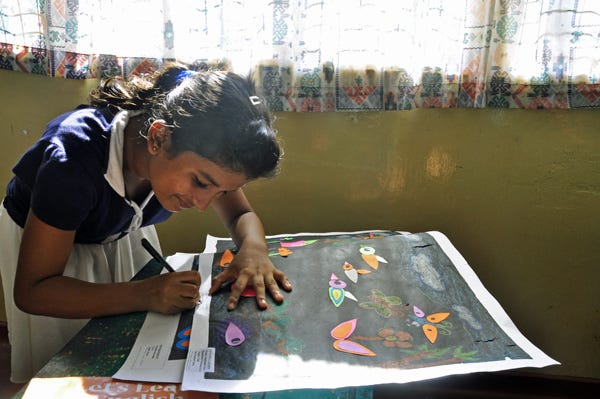
Budding artists in Colombo: While visiting a girls’ school in Sri Lanka’s capital, the students were holding an art exhibition. I bought several pieces as a gift for my host and asked each of the young girls to sign their paintings.
Tuk-tuks in Da Nang: In Vietnam, the local community is trying to combat child sex trafficking. One way local business owners show their support is by signing a pledge not to participate. Tuk-tuk drivers, for instance, show their support by displaying an anti-trafficking bumper sticker. So those are the ones I look for as I zip around the city.
Doing good can take many forms, but the easiest is simply being thoughtful about how and where we spend our tourism dollars/pounds/Euros. As global travelers, we are incredibly privileged, and it’s our responsibility to ensure we share the wealth.
If you like this post, please leave a comment or share it with others. This will help more readers find my work. ❤️
Christened “Wander Woman” by National Geographic, Erin Michelson is a professional speaker and author of the Nomad Life™ series of curated trips and travel guides, including the #1-ranked “Explore the World with Nomads.”
Curious to learn more about Nomad Life? Get the guide “Explore the World with Nomads: 50 Practical Tips, Interviews & Insights.”